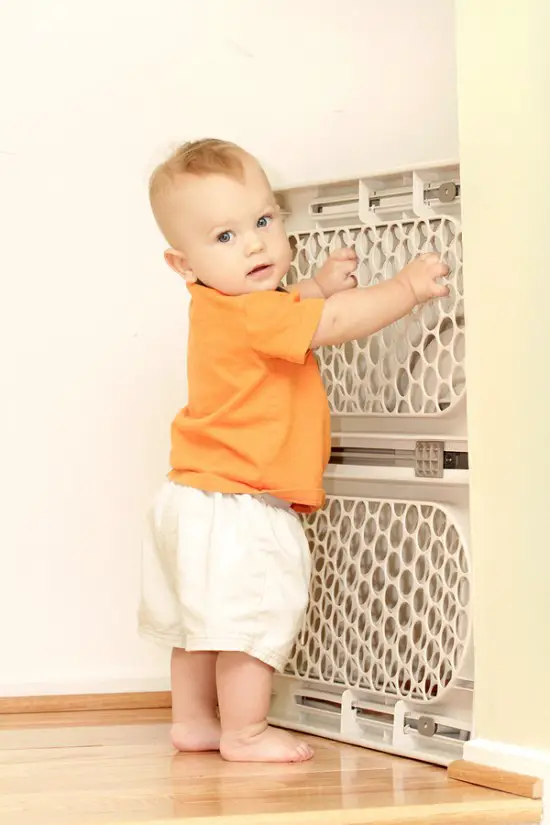
A manufactured home is only a bit different from any other home when it comes to childproofing. We’ll cover those differences and provide a few resources for properly childproofing your manufactured home in this article.
There are a few common issues when buying childproofing products – Cabinetry is usually open, meaning that although there are several cabinet doors there is just one large space behind them so all the doors must be locked. Interior doors can be a tad bit narrower and regular child safety gates won’t fit well. Doorknob locks may not work properly cause the doorknob is a bit smaller. Usually, the worse that you’ll deal with when childproofing your manufactured home is a trip back to the store to exchange your purchase for a better fitting product.
If you are expecting a new baby (woo-hoo!) or have guests coming for a visit it can’t hurt to take a quick look around and see if you can make your home a bit safer for the little ones and their parents. It can reduce stress for everyone and prevent accidents which is always a good thing.
Taking just a moment to walk through your home and make a list of anything that could hurt a child while he/she is playing or moving around the house can give you an idea of what you need.
Sharp corners on tables, entertainment centers, counters, and cabinetry can be dangerous to small children. Try and decide which corners are likely to cause injury and cover them with something soft or with rubber covers. Especially if they are just learning to walk.
Older mobile homes aren’t known for having ample outlets so homeowners have to add additional outlets via extension cords, power strips, or surge protector type devices. Those are especially dangerous to small children. So if you can add outlet covers to all the outlets that would help a lot. Look for outlets that are low on the wall and easily reachable and cover them with plastic covers so that no child can insert their fingers or other objects into the outlet. If there are outlets in use where the child plays regularly, clean up the way that the wires lay on the floor. Tuck them underneath carpet or tape them to the wall to prevent them from being pulled, tripped on, or tampered with.
Cabinets, refrigerators, and bathrooms often hold foods, chemicals or medications that can be fatal to children if ingested. Provide secure closures so that the compartments “lock” enough that children can’t get into them. Furthermore, keep all medications in child-proof bottles so that, should they be left out, a child cannot open them.
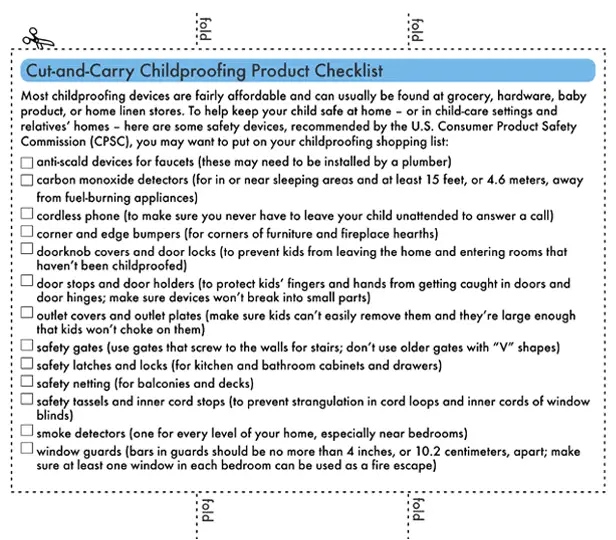
Kidshealth.org has a great checklist you can print:
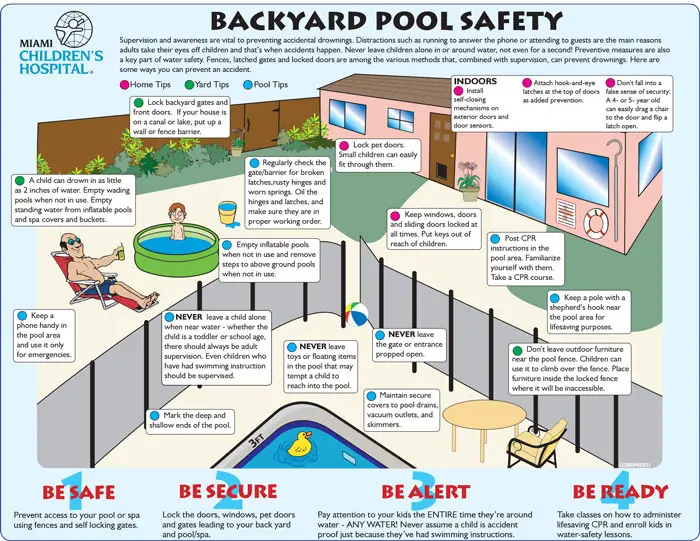
Think about the outside of your house and where a child plays when he or she is out there. Pools are especially scary when it comes to small children. Miami Children’s Hospital released an informative pool safety flyer:
PoolSafely.gov has a small checklist for pool safety at home:
I don’t mean to be a fear-monger in this article. Children have survived for thousands of years without any childproofing gadgets. Still, a little preparation can make your home a bit safer if you aren’t used to having small children around or if you are a new parent. When it comes to childproofing: An ounce of prevention is better than a pound of cure!
As always, thank you for reading Mobile and Manufactured Home Living!
Learn about mobile home additions and understand the pros, cons, and necessary steps for a…
Learn how to paint mobile home walls effectively, overcoming challenges with shiny surfaces and battens…
There're a ton of smart storage hacks to organize your camper on Pinterest and Amazon…
A small bathroom should be beautifully focused on function. Of course there are a few…
Over 100 beautiful manufactured home deck and porch designs plus free design plans and DIY…
If you own an older mobile home with a flat roof or have needed to…
This website uses cookies.