The Ultimate Guide to Primitive Country Decor (Plus 50+DIY Tutorials)
Our Ultimate Guide to Primitive Country Decor can help you create a welcoming and stylish primitive country themed home!
Why is Primitive Country Decor so Popular?
Admit it, there’s just something about primitive country home decor!
If you’re going for a homey, welcoming feel then primitive country is definitely for you.
Primitive country decor makes use of worn items that look as if it has been handed down through the generations. Most of the decor items we associate with the trend were everyday things used back in ‘the good ole days,’ when things weren’t so cheap and, well, plastic.
Handmade and natural were once required in our everyday lives and even preferred over store-bought. Primitive country brings that way of life back, if only in decor. It gives a gracious nod to the simple life and a time when reducing, reusing, and recycling was a way-of-life, not just a slogan.
Primitive Country Decor – A to Z
We’ve found dozens of great country primitive decor ideas that are affordable to buy or easy enough to create yourself. We’ll cover the definitions of primitive country decor and how it differs from shabby-chic, the best color palettes, the most popular decor items, affordable DIY crafts, and show you beautiful room inspirations.
What Does ‘Primitive Country’ Mean Exactly?
The term ‘primitive’ can include many different things. Ask 10 people to describe primitive country, or prim country for short, and you’ll likely get 10 different answers. There are certain words that are often used, those include:
- Simple
- Crude
- Unrefined
- Worn
- Unsophisticated
- Rural
The website, Goodbye City Life, has their own definition if primitive decor:
Primitive decorating is part flea market finds, part shabby chic, part ‘make-do’.
Official definitions for primitive decor are loose at best. Wikipedia defines primitive decorating as:
Primitive decorating is a style of decorating using primitive folk art style that is characteristic of a historic or early Americana time period, typically using elements with muted colors and a rough and simple look to them…….designed to have an old or antique look but created using new materials. Examples of antiquing techniques used by primitive folk artists include tea or coffee staining and sanding down paint to create a worn, aged look. The style is sometimes referred to as country style.
What is the Difference Between Primitive Country and Shabby Chic, Americana, Rustic, Vintage, and Farmhouse Styles?
The Carver Junk Company has a great article titled Primitive, Rustic, Antique, Vintage – What’s the Difference? that puts the different styles in a better perspective.
The following descriptions best fit each term:
Primitive country is defined as the most simple of designs, a truly homemade piece made by mostly untrained artists.
Rustic decor is defined by Houzz.com as ‘Refreshing in its simplicity, rustic style highlights natural beauty and a rugged, resilient spirit.’
Farmhouse decor is best defined by the Stone Gable Blog as ‘a way of life that reflect a love for the land and it’s bounty and keep a close connection between both. It loves simplicity and has a do-it-yourself attitude. Recycling, upcycling and renovating…’
Shabby Chic is defined by Wikipedia as ;a form of interior design where furniture and furnishings are either chosen for their appearance of age and signs of wear and tear or where new items are distressed to achieve the appearance of an antique.’
Americana is described by Google as ‘things associated with the culture and history of America, especially the United States.’
Vintage is typically defined as anything over 20 years old or more and antique is an item that is at least 100 years old.
Carver Junk Company shows their definition of primitive versus rustic with the following images of furniture.
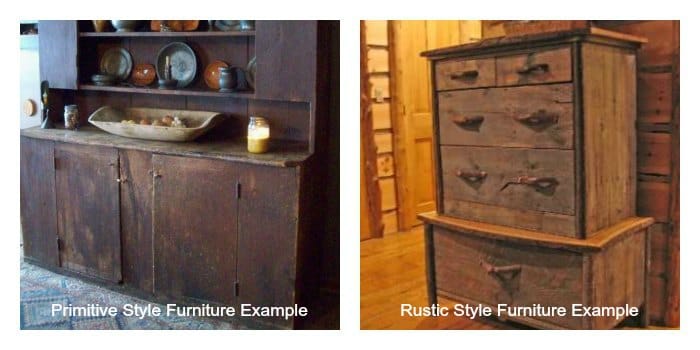
Notice the primitive style furniture is very simple with basic construction. The rustic style piece has a more complex construction though it has been made to look old.
Related: What’s Your Style: Shabby Chic, Primitive, Country?
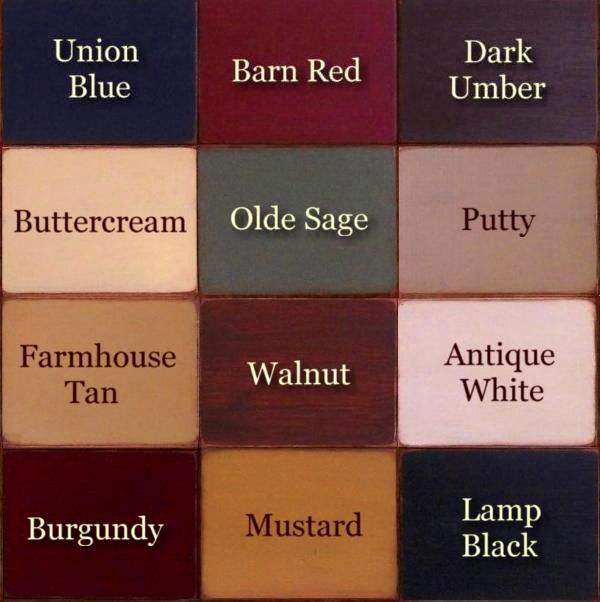
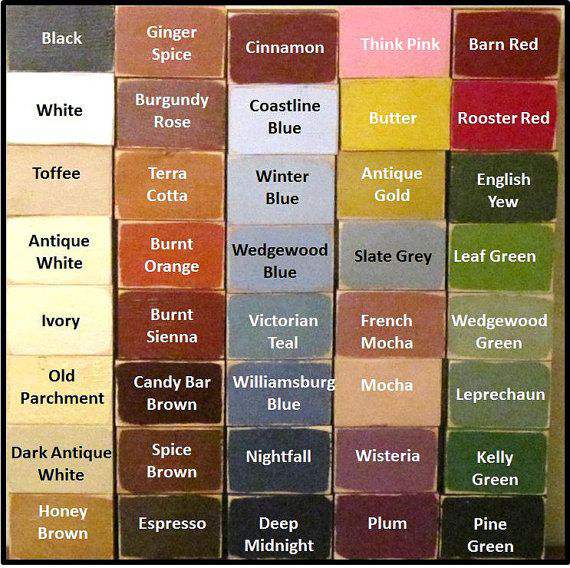
Best Primitive Country Decor Colors
Color is the easiest place to start when trying to convey a certain decorating style.
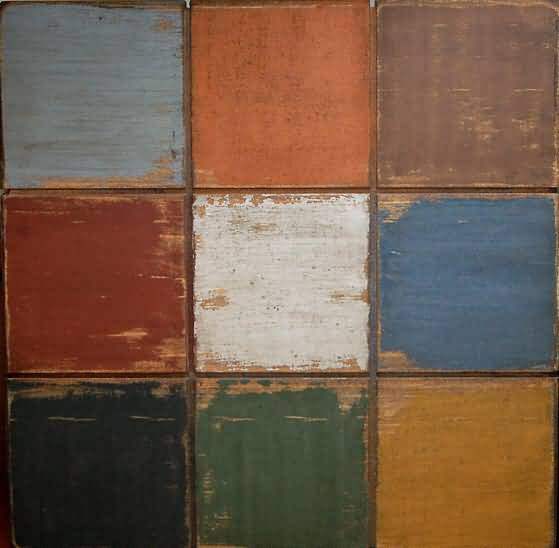
There are a few colors that are best suited for the country primitive style. Darker, muted, and warm colors are the best matched for the primitive country decor:
Popular Primitive Country Decor Must-Haves
If you’re going to decorate your home in primitive country you’ll need to acquaint yourself with the following must-have decor pieces. These items invoke the style perfectly (just click on the tutorial link, images belong to each tutorial source):
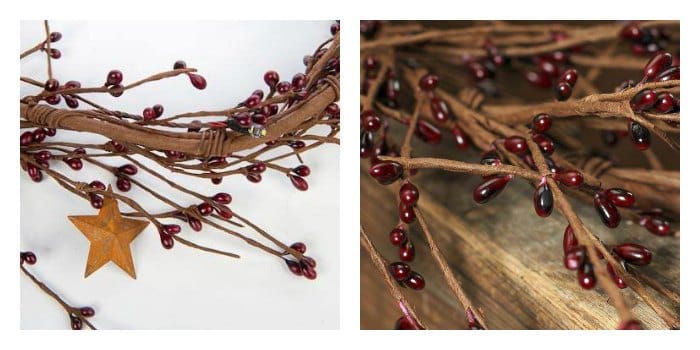
Pip Berry Garland
Pip berries are the little seeds that swell from the branches of the Wych elm (Ulmus glabra), Willow trees, and other flower trees. Pip is also defined as the seeds of a fleshy fruit such as oranges and apples. In primitive decorating pip berries are used often in garlands.
Barn Stars or Pennsylvania Stars
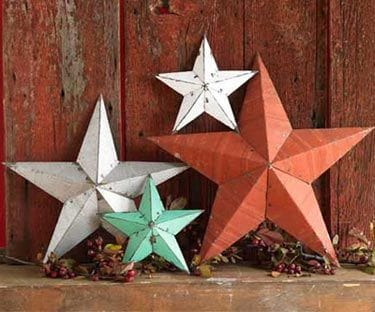
Crudely shaped, elongated 5-point barn stars are used extensively in primitive country decor. The shapes originated as markings of the barn builders, a kind of primitive logo, that was hung on barns. MetalBarnStars.com reveals the history of barn stars:
The meaning of metal barn stars in Amish country can be traced back to the 1700’s, and to at least the 1820’s in Pennsylvania. On many older barns one could see a large decoration in the shape of a star mounted on the face of the barn that represented the trademark of a specific barn builder.
Meanings of Color Used on Barn Star
From there they were used as decorations that many thought could bring luck, much like a horseshoe, and meanings were attached to the color of barn star you used:
Black: Used for protection. Black is sometimes used for binding or blending elements together.
Red: Red is used to show emotion. These emotions can include passion, charisma, lust, and creativity.
White: Normally used to show purity. Describes energy of the moon and allows energy to flow freely.
Blue: Blue has several meanings varying mostly by the shade used. Examples would include protection, peace, calmness, and spirituality.
Green: Green is used to show growth, fertility, and success. Used also to stimulate ideas and dreams to grow.
Yellow: Show health in body and mind. Love of man and sun. Connection to god.
Brown: Used to show connection to mother earth. Variations in meaning could also indicate brown to mean friendship and strength.
Orange: Gives added energy to projects or matters needing an extra push. Gives abundance in career.
Violet: Gives protection or signifies something sacred.
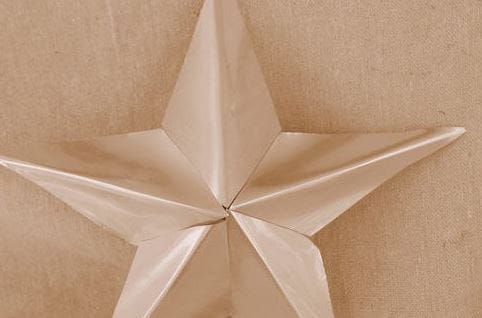
There are tons of great tutorials to make your own barn stars out of several different materials. Here are three that uses soda cans, cereal boxes,
Tutorial: Get free barn star templates and printables here!
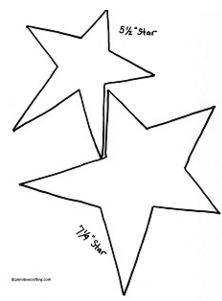
Tutorial: Learn how to make your own 3D barn star out of a cereal box here.
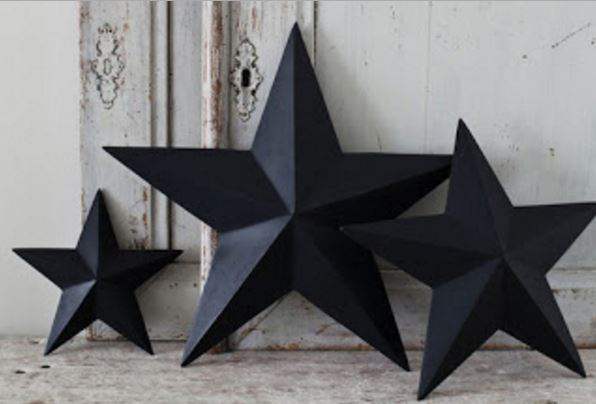
Tutorial: How to make barn stars out of aluminum soda cans.
Gingham – Maroon and Cream Plaid Fabric
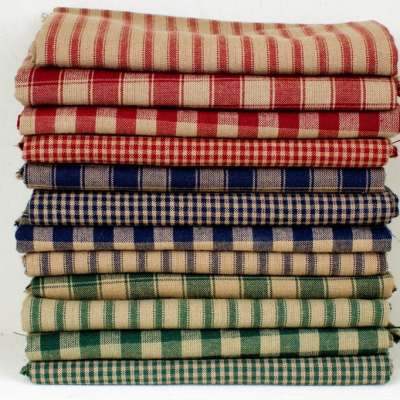
You’ll be hard-pressed to find a primitive country styled room without gingham fabric used somewhere. Gingham is a simple woven cloth of cotton fabric that is pre-dyed, giving the fabric the same color on the front and back. Typical colors are blue and white and red and white. Gingham’s history is a bit checkered (lol) because so many different countries claim it was invented in their respective lands. Learn the extensive history of the fabric here.
Tutorial: Make a gingham fabric garland.
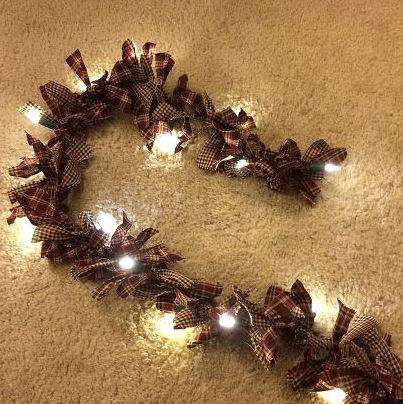
Video Tutorial:
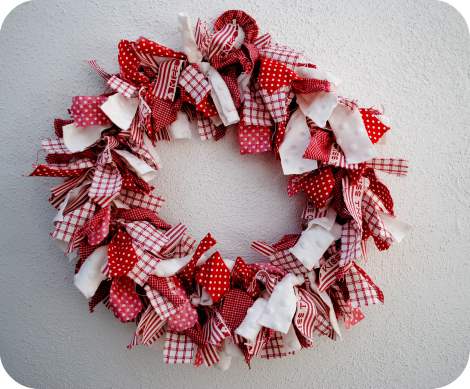
Tutorial: How to make a gingham rag wreath.
Country Candles and Lights
Candles are imperative in primitive country decor. They were the only means of light back in the good ole days, after all!
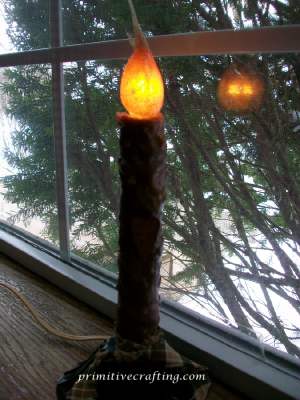
Tutorial: You can make electric light bulbs look primitive with this DIY tutorial.
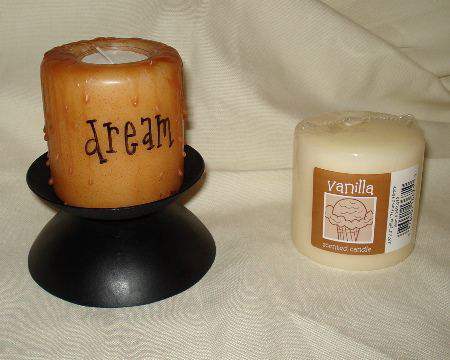
Tutorial: Turn a store-bought candle into a country styled work of art using this tutorial.
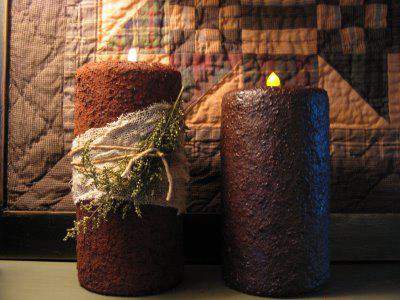
Tutorial: Grungy candle tutorial.
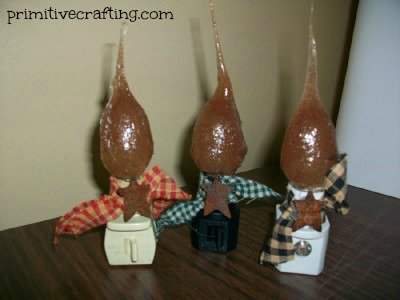
Tutorial: Turn small light bulbs into candles with the silicone dipped bulb how-to.
Sheep
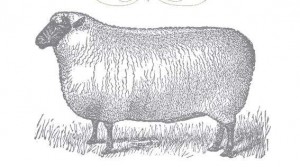
Sheep are an often used symbol of the primitive country decor, especially on painted wood boards.
FREE: Find a free sheep printable here.
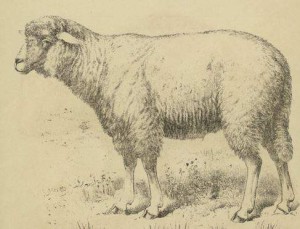
FREE: French Country Sheep Printable.
Willow Trees
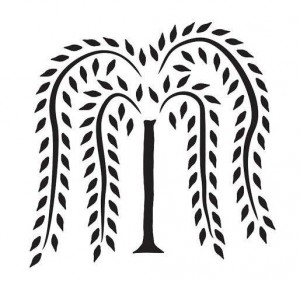
Willow trees are often used in primitive decorating, especially on signs. Here’s a template found on Etsy that you can use to make your own sign.
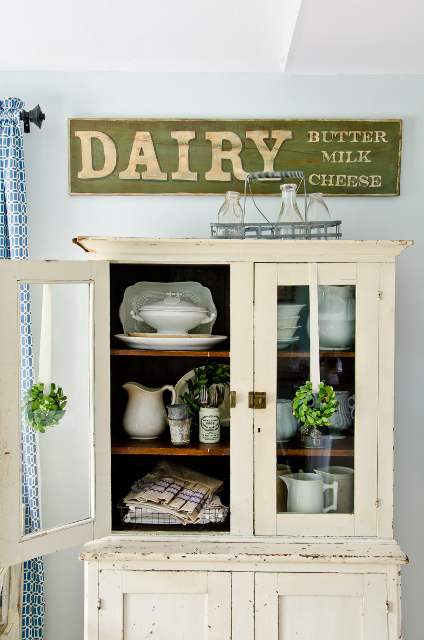
Inspirational Wood Signs
Words painted on wood is perfect to add primitive country decor into your home. Templates and stencils can help you!
Tutorial: Here’s a great tutorial that shows you how to make a distressed sign.
Video Tutorial:
Saltbox Houses
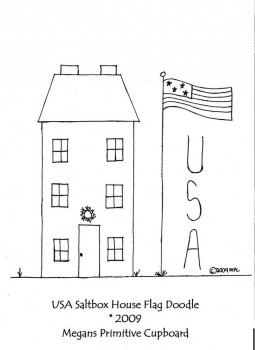
Salt box houses are often painted in a very primitive artistic representation. Even the non-so-artistic can paint them!
FREE: Primitive saltbox house template.
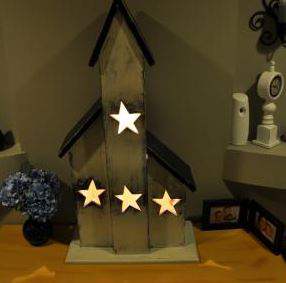
Tutorial: Create a miniature lighted saltbox with these plans.
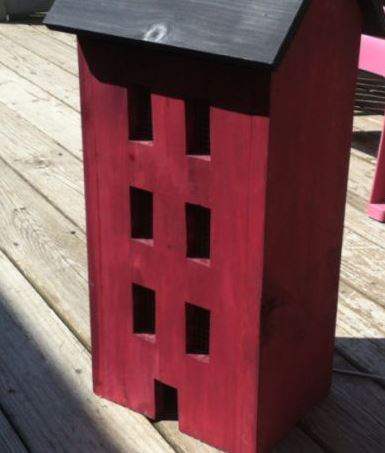
Tutorial: Make your own wooden saltbox.
Cloth Dolls
Handmade dolls made of tea stained muslin in a great craft that is used in primitive decor. Luckily, we have fabric glue so those that aren’t apt at sewing can still create their own primitive dolls. Dolls can come in various designs but angels and ragdolls seem to be the most popular.
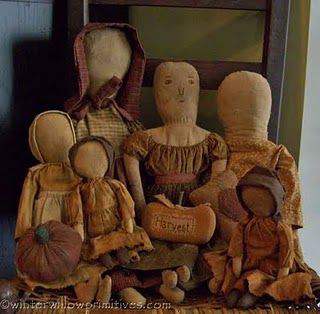
Tutorial: Rag doll Garland tutorial.
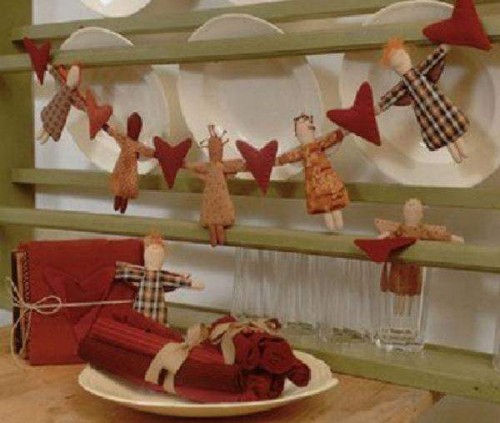
FREE: Doll patterns
Tutorial and FREE Pattern: Learn how to make primitive rag dolls.
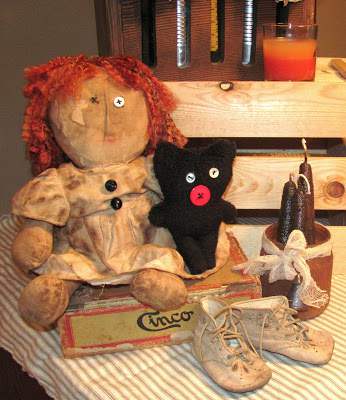
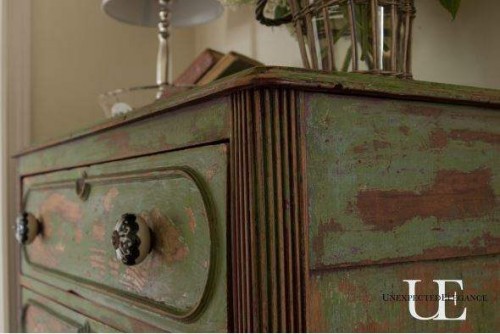
Distressed Furniture
Distressed furniture is the most used element in primitive country decor for good reason – it’s a simple project that uses old pieces of furniture. Affordable and easy are the best kinds of DIY crafts!
Tutorial: How To Distress Furniture Using Vinegar.
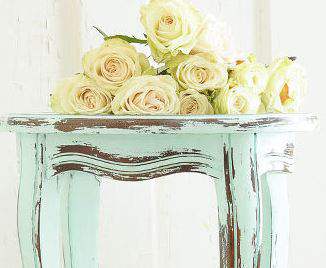
Tutorial: How to Distress Furniture.
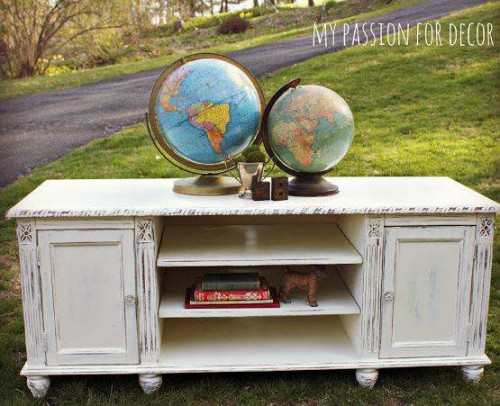
Tutorial: 7 Ways to Distress Furniture.
Chicken Wire
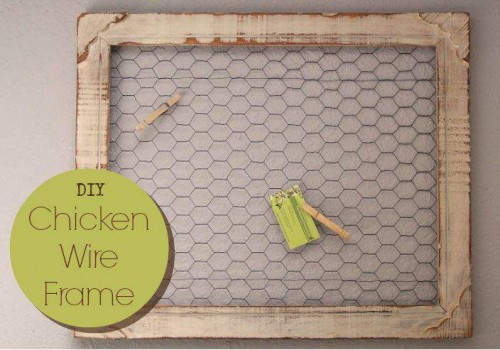
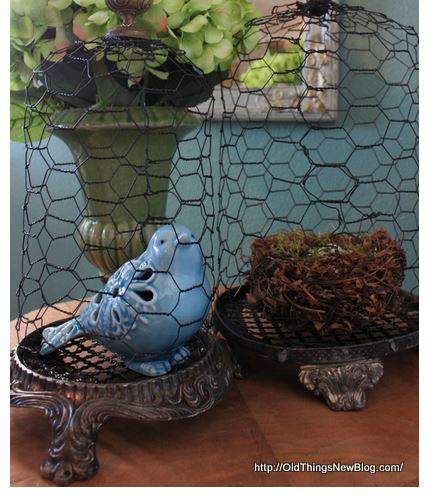
It doesn’t get much more country than chicken wire! Chicken wire is a great way to add texture to your home.
Tutorial: Chicken Wire Bulletin Board.
Tutorial: Chicken wire DIY cloche.
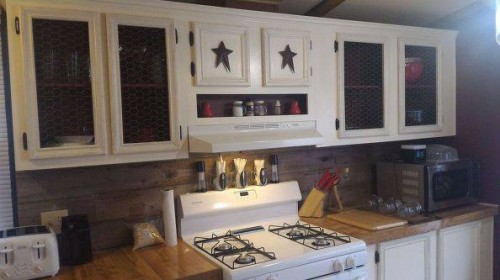
Tutorial: Chicken wire cabinet makeover in a manufactured home.
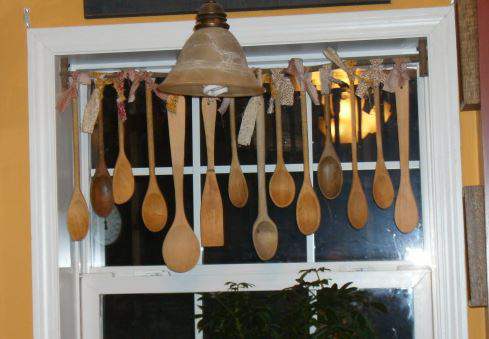
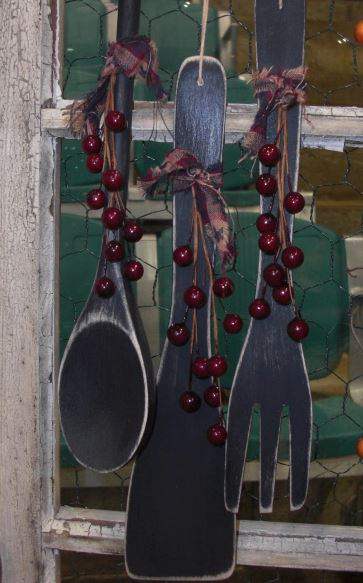
Wooden Spoons
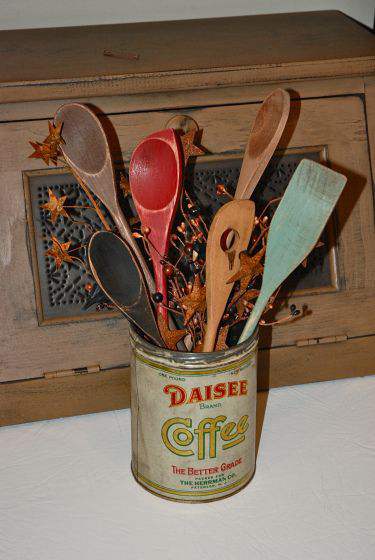
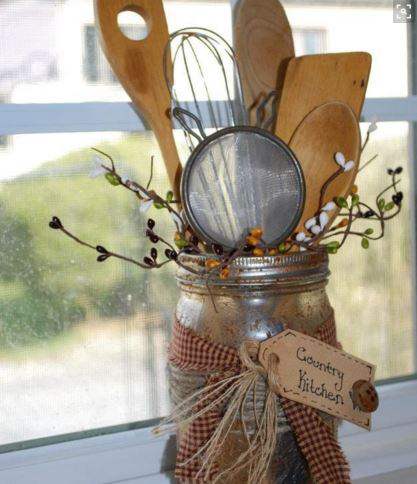
Wooden spoons have more uses than just stirring yummy foods. There are several ways to use them in primitive country decor such as window hangings, garlands, and colorful displays.
Decorating Ideas: Wooden spoon window hangings.
Tutorial: Colorful spoon display.
Decorating Idea: Country spoon craft.
Decorating Idea: Painted wooden spoon kitchen decor.
Wooden Windows, Shutters, Ladders, and Doors
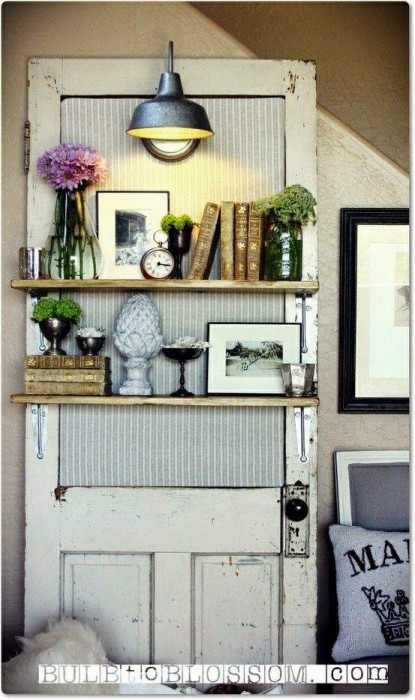
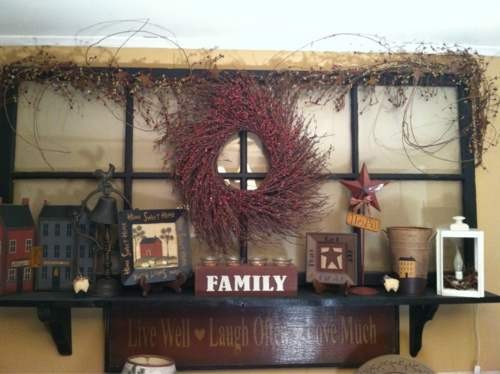
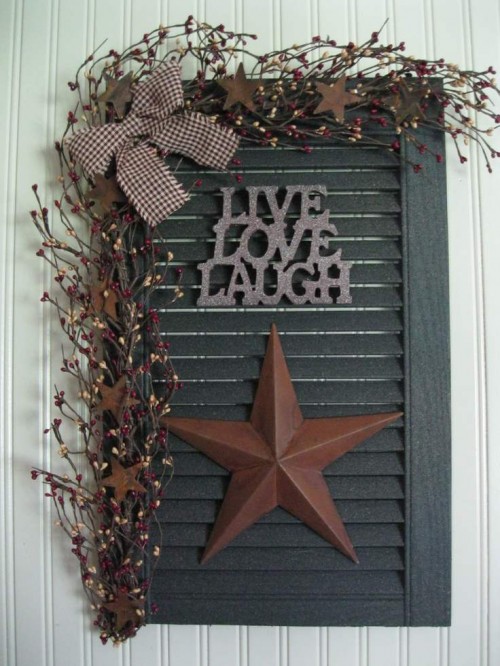
Reusing old things is a big part of the primitive style movement. Old building materials such as windows, shutters, ladders, and doors are easily found and because distressed is the name of the game, the more damaged the better! Here are dozens of great ways to incorporate old castoffs in your primitive decor:
Decorating Ideas: 50 Ways to Decorate with Old Doors
Decorating Ideas: 30 Ways to Reuse Old Windows
Decorating Ideas: Use an Old Windows in Your Primitive Decor
(a Mobile Home Living Exclusive)
Decorating Ideas: Use an old shutter for your wall decor.
Mason Jars
Mason jars and old tin cans are always a great addition to a primitive space. They can hold just about anything, too.
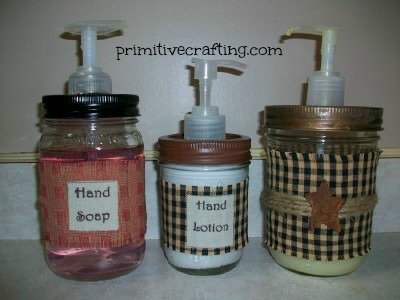
Tutorial: How to make a mason jar soap pump.
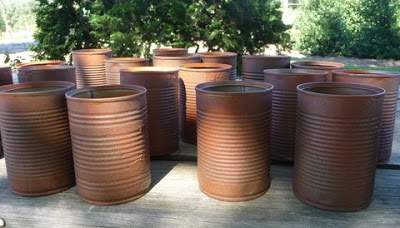
Tutorial: How to make rusty cans with paint.
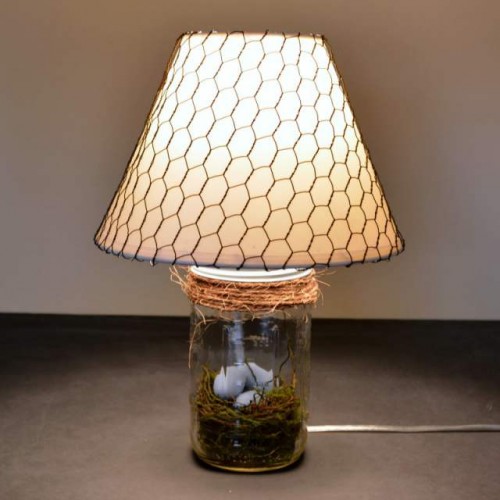
Tutorial: Make a great mason jar lamp.
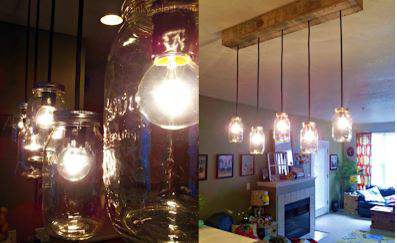
Tutorial: Create a cool light with mason jars and old pallets.
Tutorial: How to make a mason jar bathroom organizer.
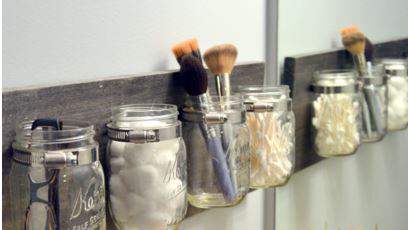
More Ideas: See 1001 More Mason Jar Projects
Home Decor Ideas
These beautiful primitive style homes have been featured here on Mobile and Manufactured Home Living.
Home Tour: Primitive Country Manufactured Home Decorating
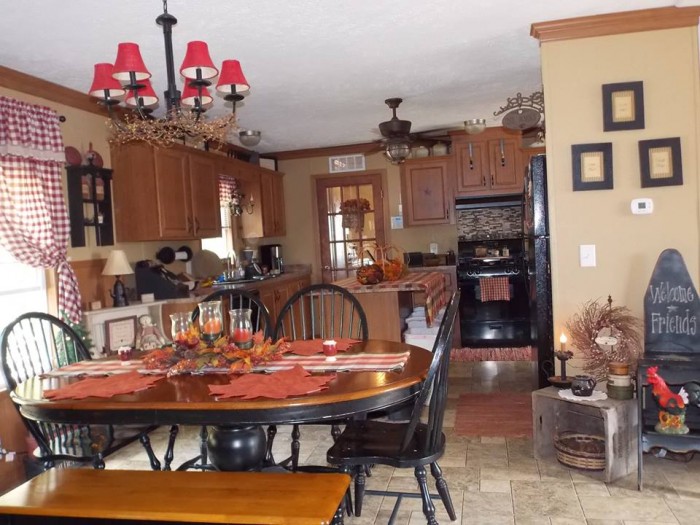
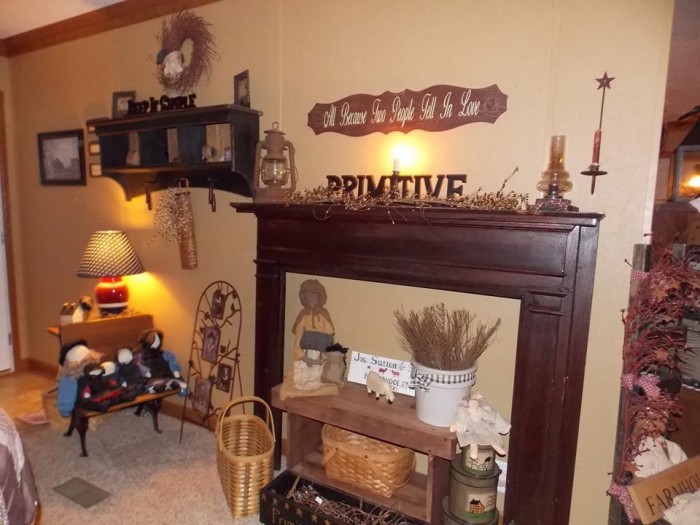
Home Tour: Country Style Double Wide
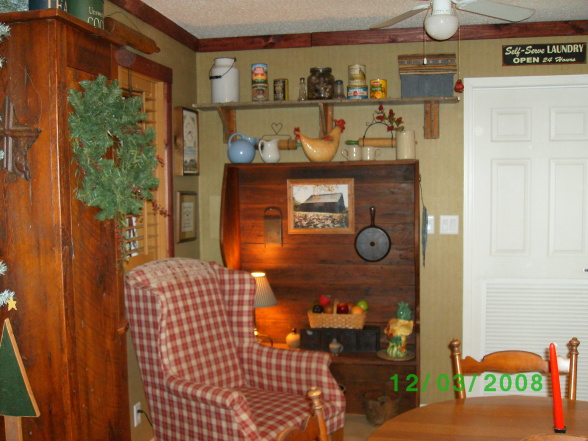
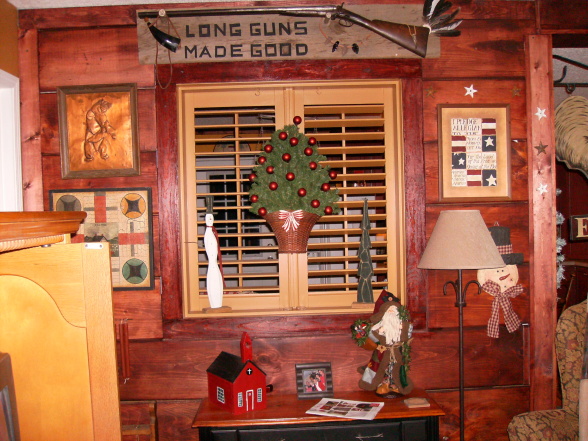
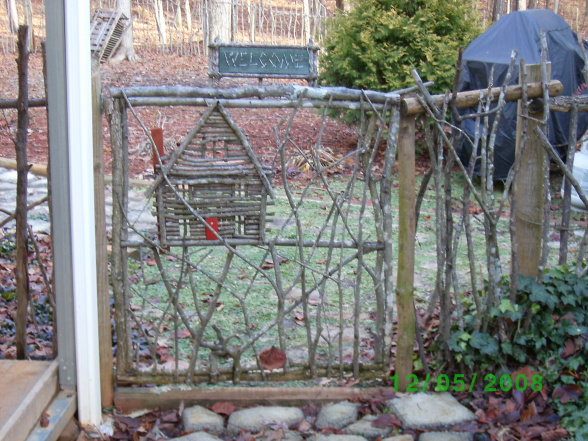
Home Tour: French Country Double Wide
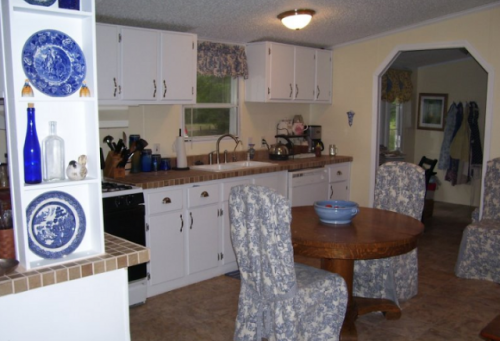
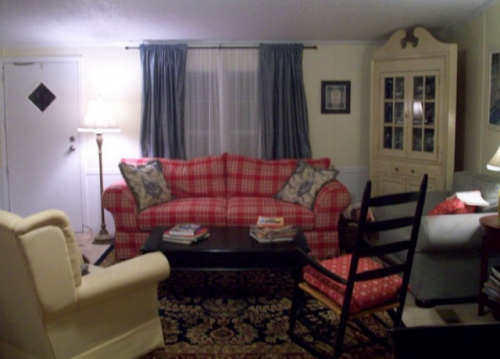
Home Tour: Primitive Kitchen Decor

These great tutorials and decorating ideas will help you create gorgeous primitive country decor in your home!
Thank you for reading Mobile and Manufactured Home Living!



this is so amazing! I’ve always loved this style but I’m starting to get into home decor myself now and I don’t know where to begin! thank you so much!!
Thanks so much for this article. It’s the most complete and informative I’ve seen.
Hi,
Is there anyone out there that would post a primitive paint colour chart to me please.
I live in the UK and these colours are not available here but, if I had a colour chart I could get them mixed at my local DIY store. I love the colours and have taught myself to make some primitive items, hand-sewn or small painted items.
I look forward to hearing from someone please ????
Kind regards
Melanie
Hi Melanie,
This Pinterest page should help: https://www.pinterest.com/pin/386957792957573632/
Hi Melanie
I make country style furniture here in England including primitive style pieces. I know what you mean about getting hold of traditional milk paint colours here if you would like to get in touch i can give you one or two ideas about painting and ageing in the primitive style. wwwcottagecharacters.co.uk
Thank you for all this information. I was never positive if I decorated in Country Primitive but this article confirmed it. Thanks for the DIY info. There are so many things I see and they are expensive and now I have the “directions” and Im going to jump on them. Thank you again for a very informative and interesting article.
What an outstanding article. The best I’ve ever seen – including magazine pieces and books – on the definitions and elements of these styles.
Well done!
Thanks so much Carla! Glad you like it! I love primitive, country decor!
Wanted to comment and let you know I loved your article! It provides great “Down To Earth” information which I found extremely useful and inspirational! So many options to look at and now to go and do.. Thank you for the inspiration!