Category: Helpful Resources

A collection of helpful manufactured home resources for homeowners and buyers.

  • 45 Great Manufactured Home Porch Designs

    45 Great Manufactured Home Porch Designs

    Some of my favorite childhood memories were created on my mommaw’s front porch. Her house sat low in the valley on the left side of a long hollow in southern West Virginia. We would watch the deer and turkeys forage for food in the creek between the mountains. Birds would build nests in the rafters of her porch and we would watch the babies grow.

    I learned an awful lot from her and poppaw on that porch and I cherish those memories.

    Here’s the view from my mommaw’s porch:

    45 mobile home porch and deck ideas - mommaws porch01


    Building a new porch is the first step toward making a manufactured home appear more like a site-built home. You can add visual interest and curb appeal, increase your home’s value by adding additional living space, and give your family a place to make memories.

    To put it simply, a new porch can completely change the look of your mobile or manufactured home.


    45 Great Manufactured Home Porch Designs 

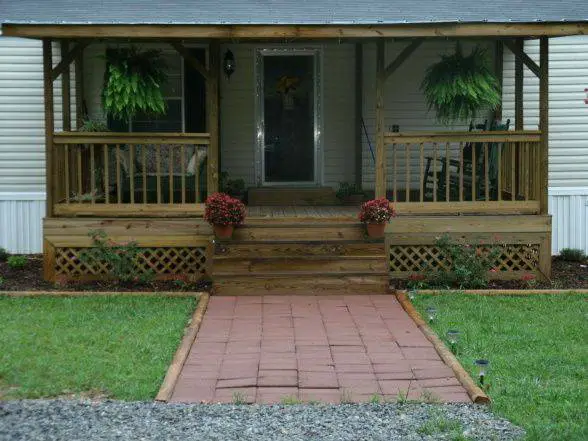
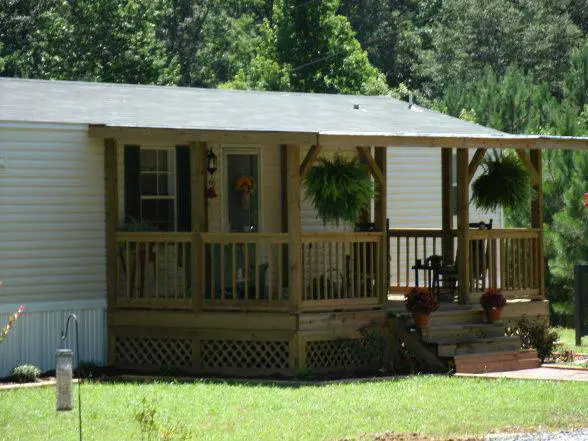
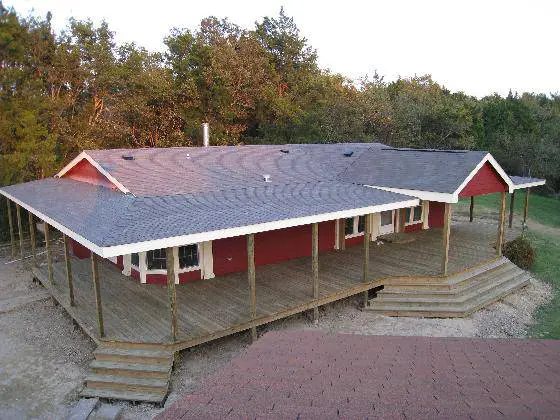
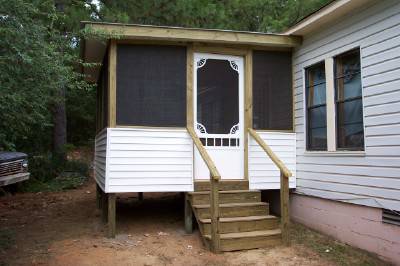
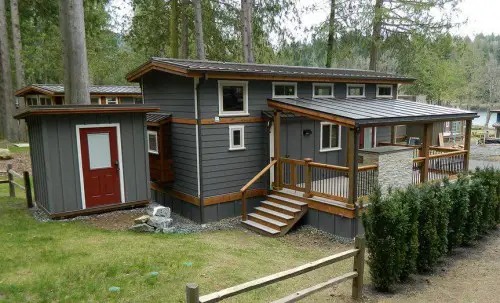
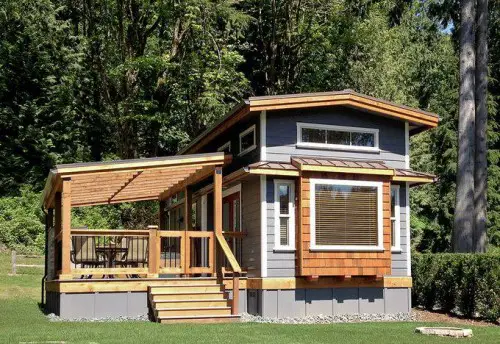
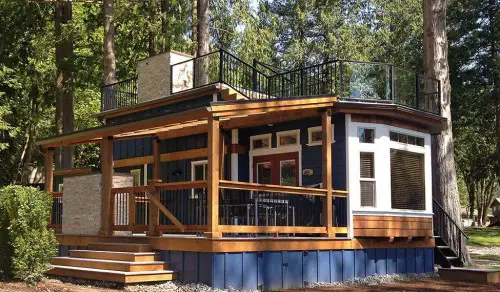
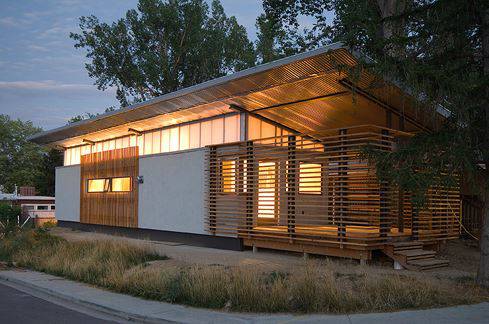
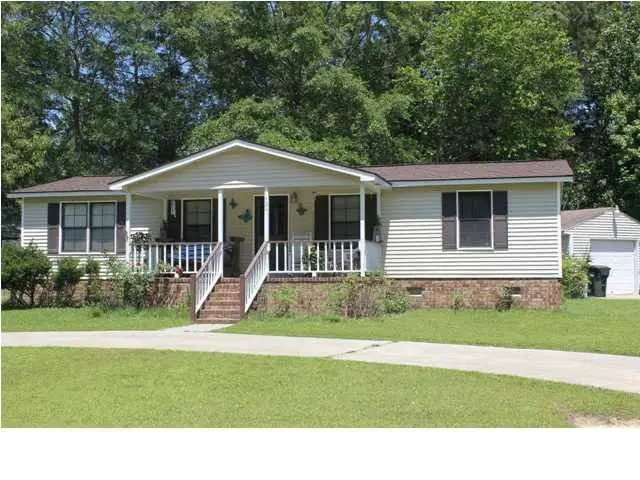
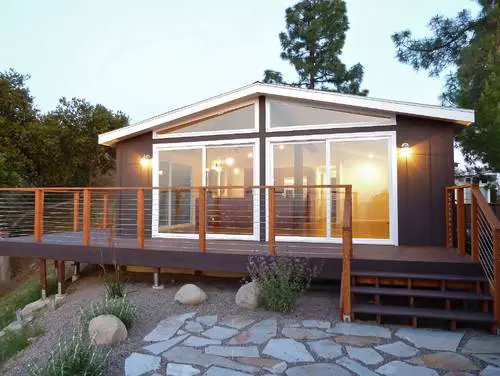
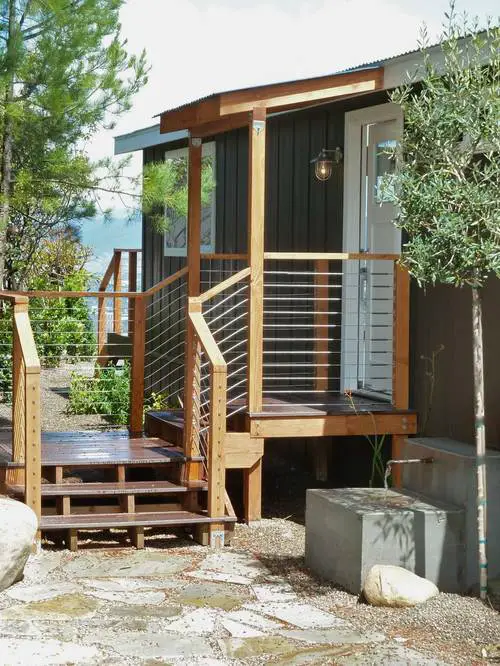
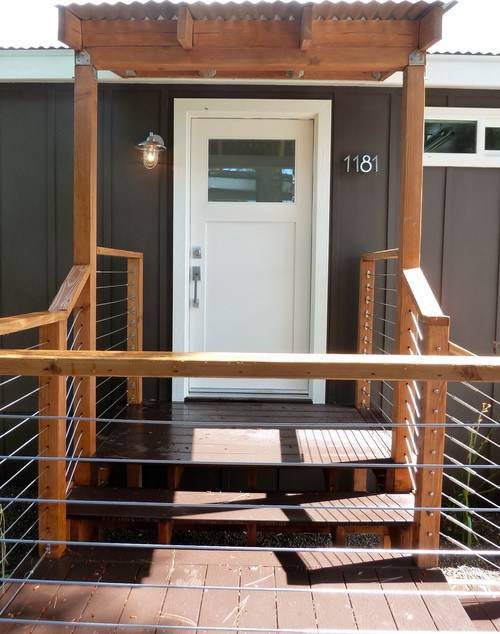
    Here are 45 great manufactured home porch designs (and decks) that can help you decide which style best suits your home and provides the look you want:

    Note: At the end of the article we provide several tips and professional advice that can help you plan the perfect porch for your manufactured home.
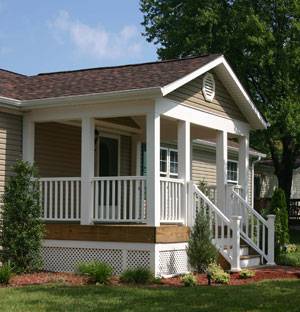
     

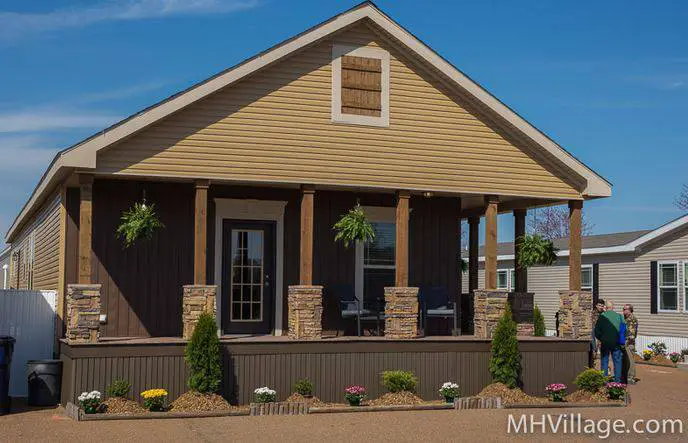
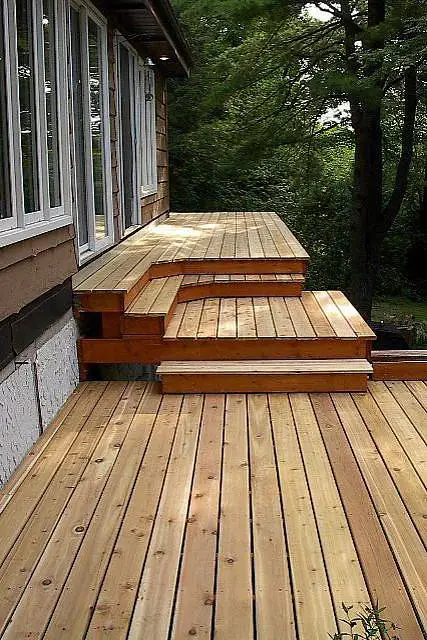
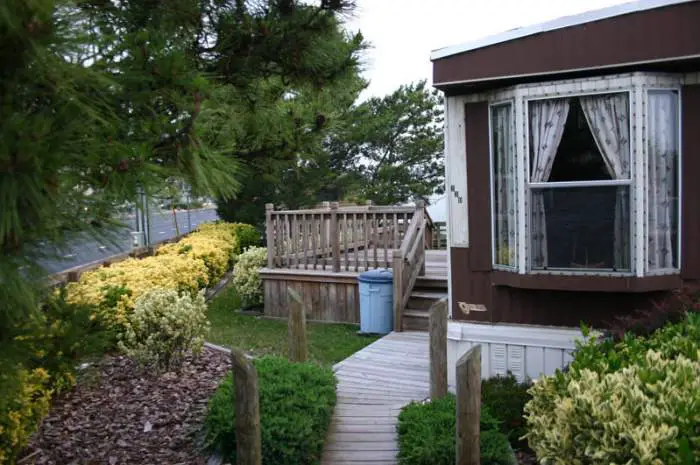
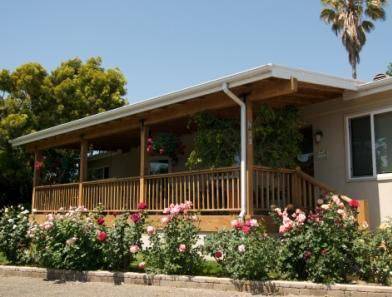
    manufactured home porch designs-1 Modern manufactured home porch idea

    Source

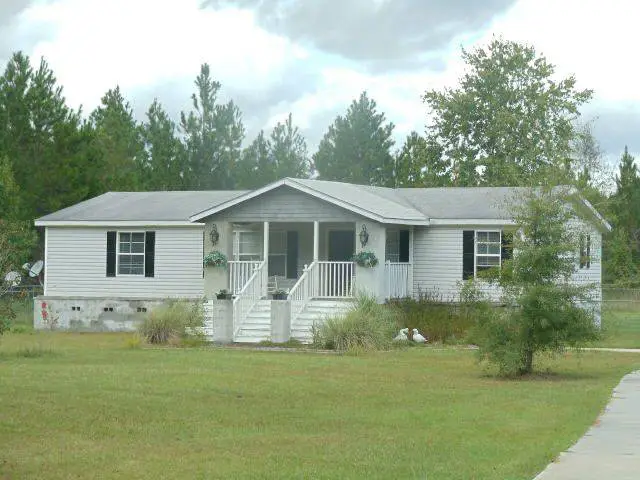
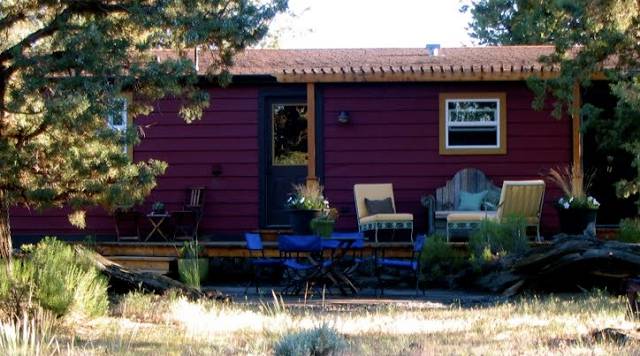
    manufactured home porch designs-2 Manufactured home porch ideas

    Source


    Related: If you like decorating your home in a country style this double wide is perfect for you.


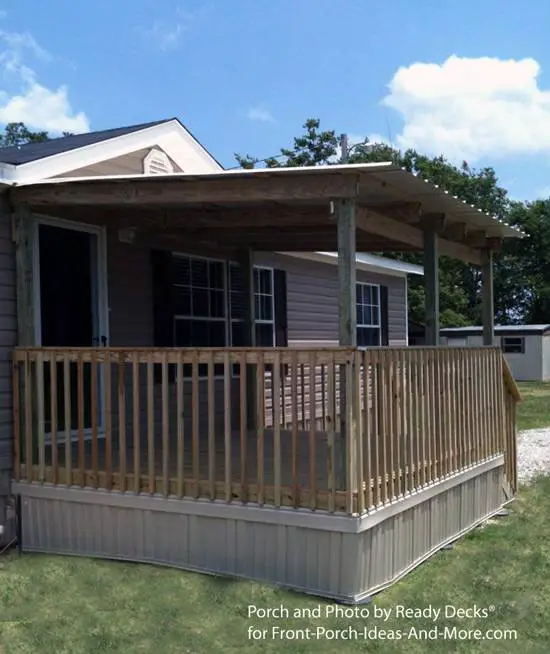
    manufactured home porch designs-3 double wide manufactured home deck idea

    Source

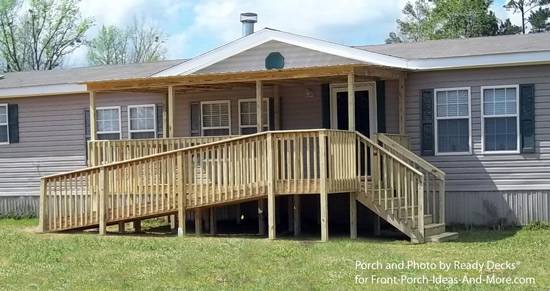
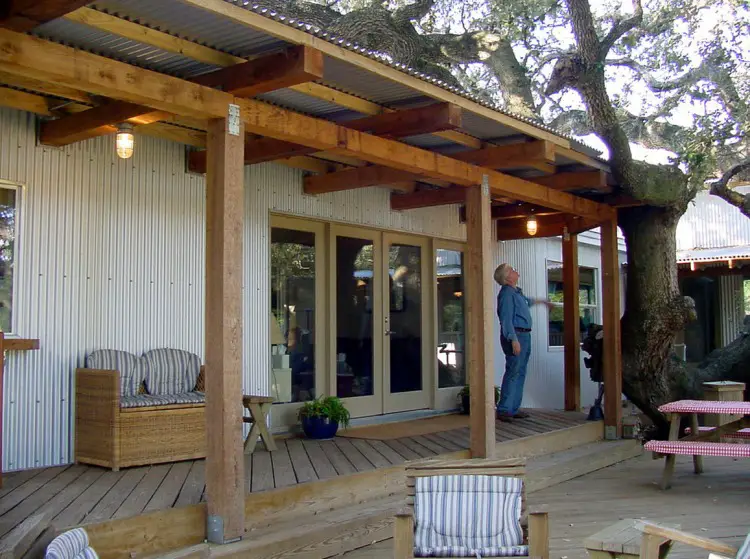
    manufactured home porch designs-4 double wide manufactured home covered porch idea

    Source

    manufactured home porch designs-5 park model manufactured home porch ideas

    Source

    manufactured home porch designs-6 Manufactured home porch idea

    Source

    manufactured home porch designs-7a manufactured home covered porch and deck ideas

    Source

    manufactured home porch designs-7b manufactured home covered porch and deck ideas

    Source

    manufactured home porch designs-8 gabled porch on manufactured home

    Source

    manufactured home porch designs-9 simple manufactured home porch

    Source

    manufactured home porch designs-10 manufactured home decking and porch ideas

    Source

    manufactured home porch designs-11 single wide manufactured home porch ideas

     Source

    manufactured home porch designs-11b single wide manufactured home porch ideas

    Source

    manufactured home porch designs-12 wrap-around porch on manufactured home

    Source

    manufactured home porch designs-13 porch, deck, and screened room ideas for mobile and manufactured homes

    Source

    manufactured home porch designs-14 porch on manufactured home

    Source: HomePro Construction
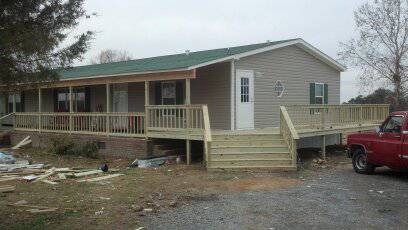
    manufactured home porch designs-15 manufactured home porch and deck ideas

    Source: HomePro Construction

    manufactured home porch designs-16 covered porch addition on manufactured home

    Source: HomePro Construction

    manufactured home porch designs-17 manufactured home decking idea

    Source

    manufactured home porch designs-18 Park Model Manufactured Home Porch Inspiration


    manufactured home porch designs-18a Park Model Manufactured Home Porch Inspiration


    manufactured home porch designs-18b Park Model Manufactured Home Porch Inspiration


    manufactured home porch designs-18c Park Model Manufactured Home Porch Inspiration


    manufactured home porch designs-18e Park Model Manufactured Home Porch Inspiration


    manufactured home porch designs-18d Park Model Manufactured Home Porch Inspiration

    Source

    manufactured home porch designs-19 trailer porch idea

    Source

    manufactured home porch designs-20 Single wide mobile home remodel with porch

    manufactured home porch designs-20a Single wide mobile home remodel with porch
    manufactured home porch designs-20b Single wide mobile home remodel with porchmanufactured home porch designs-20c Single wide mobile home remodel with porchmanufactured home porch designs-20d Single wide mobile home remodel with porch

    Source

    manufactured home porch designs-21 concept manufactured home with modern porch design

    Source

    manufactured home porch designs-22 triple wide manufactured home deck design ideas

    Source

    See Mobile Home Decorating Ideas for Every Room in the House
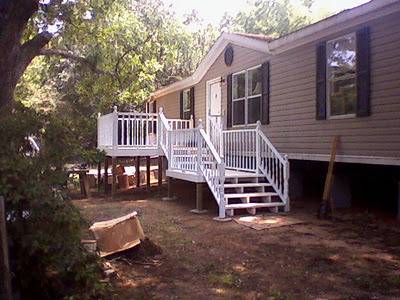


    manufactured home porch designs-23 double wide manufactured home deck design

    See more of this beautiful manufactured home here!
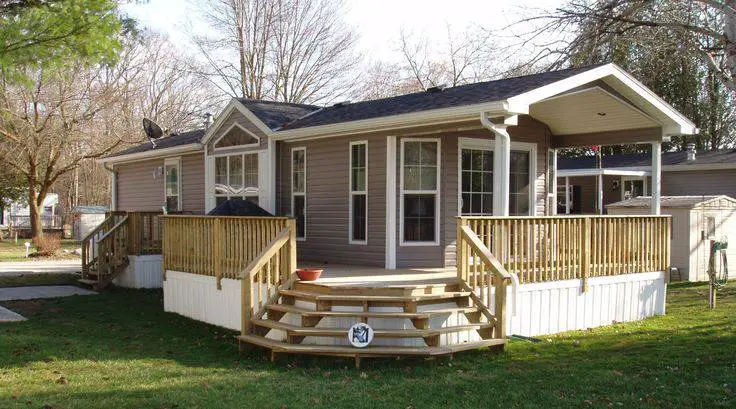
    manufactured home porch designs-24 single wide manufactured home porch design

    Source

    manufactured home porch designs-25 single wide mobile home covered porch design ideas

    Source

    manufactured home porch designs-26. covered deck on mobile home

    See more of this gorgeous mobile home here!

    manufactured home porch designs-27 single wide manufactured home covered porch design idea

    Source

    manufactured home porch designs-28 covered front porch on manufactured homeSource

    manufactured home porch designs-29 covered front porch design ideas for manufactured homes

    Source

    manufactured home porch designs-30 Modern Deck Design for Double wide manufactured home


    manufactured home porch designs-30 Small covered porch design for double wide manufactured home


    manufactured home porch designs-30a Small covered porch design for double wide manufactured home

    See more of this awesome manufactured home remodel here!

    manufactured home porch designs-31 Deck on manufactured home

    Source

    manufactured home porch designs-32 back porch design on double wide manufactured home.jpg

    manufactured home porch designs-32a back porch design on double wide manufactured home.jpg

    See this awesome manufactured home remodel here!

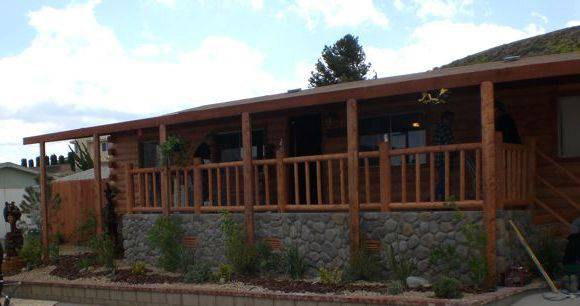
    manufactured home porch designs-33 log cabin porch design on manufactured home

    Source: CMT

    manufactured home porch designs-34 Double-wide-decking

    See more of this beautiful manufactured home here!
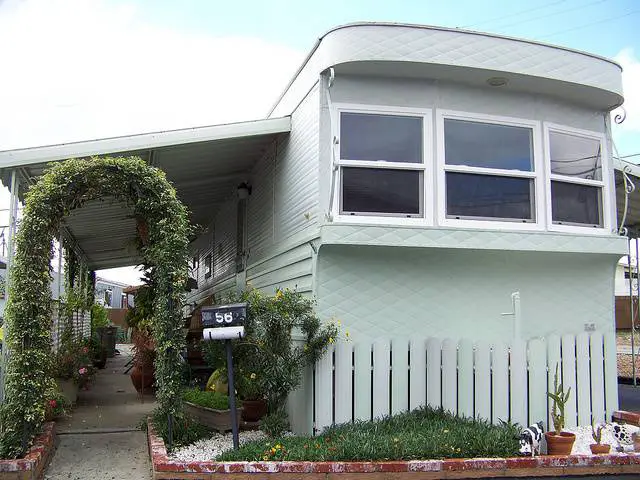
    manufactured home porch designs-35 single wide manufactured home deck design idea

    Source

    manufactured home porch designs-37 Covered porch design on manufactured home

    Source

    manufactured home porch designs-38c Mobile Home Remodel - front porch and decking ideas


    manufactured home porch designs-38b Mobile Home Remodel - front porch and decking ideas

    See more of this gorgeous mobile home remodel here on Mobile Home Living!
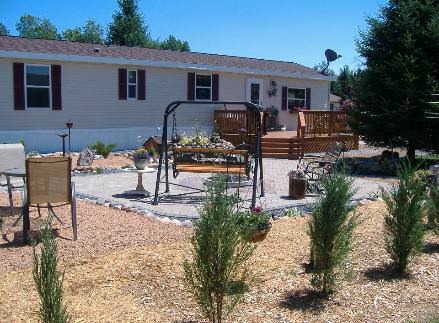
    manufactured home porch designs-39 single-wide-decking-ideas

    manufactured home porch designs-40 single wide mobile home decking design ideas

    Get lots of great manufactured home landscaping tips here!

    manufactured home porch designs-41 single wide covered porch design

    Source Unknown

    manufactured home porch designs-42 manufactured home pergola deck design

    Source

    manufactured home porch designs-43 porch design on manufactured home

    Source

    manufactured home porch designs-44 front door steps, small porch on manufactured home

    Source

     Related: 9 Beautiful Manufactured Home Porch Ideas


    Free Online Porch Design Programs

    The best website I’ve found for porch design is Front Porch Ideas and More. You simply won’t find a more informative and thorough resource for porch design ideas online. They also have a very handy Front Porch Illustrator that can help you determine the right porch design for your home. While they do not have a manufactured home to chose from, they do have a standard ranch home that can suffice with a little imagination.

    Here’s the home without a porch:

    manufactured home porch designs-front porch illustrator ranch home

    Here are one of the many choices of porch designs (Porch R9- Pitched roof, column capitals, painted ceiling, ashlar floor, and cast bed edging):

    manufactured home porch designs-front porch illustrator with pitched roof

    Visit the Front Porch Illustrator Here. 

    Azek Building Products has a deck designer that could be useful to you. You’ll need to create an account and have Java installed but it does create a nifty 3D visualization of your desired designs with precise cut dimensions and material lists.

    Visit the Azek Deck Designer Here. 


    Planning a New Porch for Your Manufactured Home

    Once you’ve chosen the perfect deck or porch design for your manufactured home you’ll need to start planning the build.

    Simple deck designs can be built by experienced DIY enthusiasts. If you’re knowledgeable of basic construction methods (footers, post & beam construction techniques, and roofing concepts) and comfortable with tools it should be a fairly straight-forward process. More complex builds are probably best left to the professionals.


    Free Porch and Deck Design Plans

    You can find lots of free porch and deck designs online. Most come with complete schematics, cut dimensions, and materials list.

    Aztek Building Products Free Deck Plans

    Aztek Building Products, mentioned above, has several free deck designs on their website. Click here to view all of them. Once you click on the design you like it will open a PDF with several pages of detailed information, from schematics to material lists. Here’s an example:

    manufactured home porch designs-Parts of a Deck


    Material List

    manufactured home porch designs-deck material list example

    Decks.com Free Deck Plans

    Decks.com has hundreds of free deck plans available on their website. Click here to see them all. You’ll chose the design and then the size and enter your name and email information and they will email you a materials list. Here’s a sample of the various designs available:

    manufactured home porch designs-free deck plans at decks dot com


    What is the Right Size? 

    Once you’ve decided on the style of your new porch you’ll need to decide on the size.

    The scale is an important aspect to consider when planning a porch or deck. You’ll want it to look like it was always a part of the home and to help add dimension, a quality that is sorely lacking on most manufactured homes.


    Most professionals advise that you never go under 6 foot on either width or length for a deck or porch.

    You’ll want enough space to sit and visit with friends and family comfortably. If you plan on grilling or having a table you’ll probably need at least an 8-foot width. You’ll also need to consider railing placement since railing is rarely positioned at the very edge with traditional porch designs. Typically there will be at least a 1″ overhang and if you are using 6″ columns they will need to be positioned over the framing  – this automatically reduces your width by 7 inches minimum thus your 6′ wide porch will only have 5′ 5″ of usable space.

    Length will be based on your home’s length and personal preference more than anything. Take into consideration shelter from the rain while walking to your garage or driveway and if you want the porch to wrap around to the side of your home.


    Roofing Considerations for a New Porch

    The roof of your new porch will impact your home significantly.

    You’ll have to consider the rise and run of the roof and how it will be incorporated into the roof on the home. Most professionals suggest that porch roofs have a minimum 3/12 pitch, meaning the roof rises 3″ for every 1 foot of length. This provides adequate rain and snow runoff.

    If you have a deck that you want to turn into a covered porch you’ll have to consider a few things. While it’s a great project, you’ll have to ensure that your deck can handle the added weight of the roof. Here’s what Decks.com had to say:

    The downside is that porches are more expensive than just a deck and are relatively hard to build. You also must note that decks with porches must be designed to support 80 lbs per square foot compared to 55 lbs per square foot for decks. This extra 25 lbs is required to safely support the roof and snow loads. Decks with porches need to be specially engineered to distribute more complicated loads to the frost Footings are often required on the sides of decks that use a gable porch roof. Footing sizes are larger and need to be positioned so that support posts can directly transfer roof loads through sound framing to solid foundations.

    Building a roof is hard work. You will be handling heavy materials while standing on ladders at high elevations. You will need a couple of helpers to build a porch. Building a porch definitely demands more skill and physical conditioning than building the typical deck project.

     Related: Porch Planning Guide


     How to Build a New Porch or Deck

    If you will be building your new porch or deck yourself you should do a little research to re-acquaint yourself with the basic building techniques.

    There are several great resources online that can help you. Here’s a list of the most informative I found:

    Summary

    Manufactured home porch designs can range from simple decks to ornate porches. The design you chose will probably impact your life and your home more than you realize. Choose wisely! Once you chose your porch design and size you can utilize the free plans and get complete material lists and schematics, both invaluable items to have when building anything.


    Thank you so much for reading Mobile Home Living!
  • Useful Mobile Home Repair Books

    Useful Mobile Home Repair Books

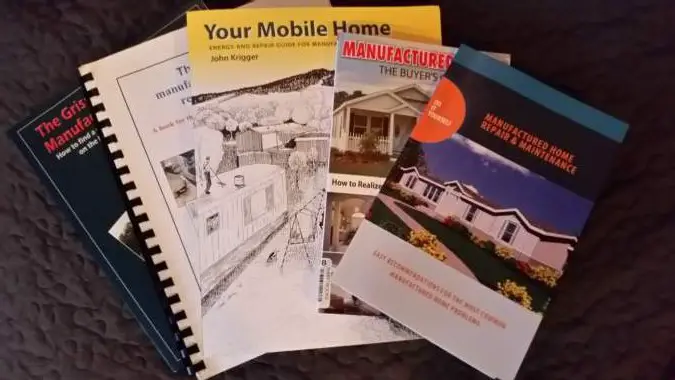
    There’s not a lot of resources available for mobile homeowners. Of course, there’s a few websites and online forums that focus on mobile home repairs or remodels (like Mobile Home Living) but when it comes to books and manuals there’s only a handful of mobile home repair books available.

    A handful is actually an exaggeration – I have only found 3 true mobile home repair manuals to date. There’s 4 listed here but one I do not consider to be a true repair manual or guide.

    Having a resource at your finger to solve problems or answer questions is invaluable, especially for a mobile home owner. Some of us have a difficult time finding licensed contractors that will work on our homes. Others may not have the money to hire someone so it’s up to us to get the issues repaired ourselves. A little help along the way never hurts!

    Related:  The Directory of Mobile Homes

    The good news is that all 3 repair books I have found are helpful in their own way. One was a bit too expensive for its size and meager text, I’ll talk more about it in short bit. One was very thorough and one impressed me most, it’s the first listed below:

    Your Mobile Home Energy and Repair Guide for Manufactured Homes


    I ordered a couple weeks ago from Amazon and to put it bluntly, I have not found a more in-depth resource for mobile home repair and construction.

    I wanted to share this great find with you because I think it can be truly helpful to anyone making repairs or upgrades to their manufactured home.

    The Your Mobile Home Energy and Repair Guide is available at Amazon for a very fair price of $18.06 for a new one and $10.01 for used. Shipping is free if you spend over $35. It’s well worth these prices!

    mobile home repair books-Your Mobile Home Cover Design

    Your Mobile Home: Energy and Repair Guide for Manufactured Housing, 5th Edition

    By the look of the title and the cover design, I wasn’t expecting much but I was pleasantly surprised.

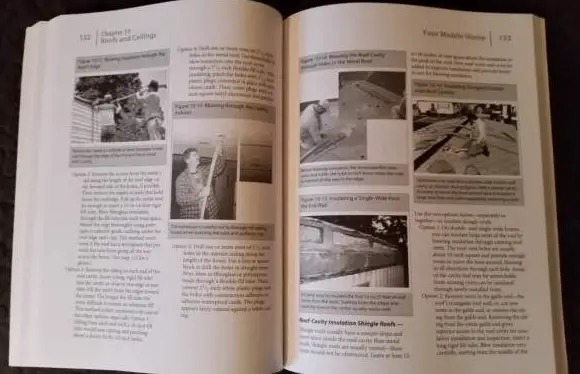
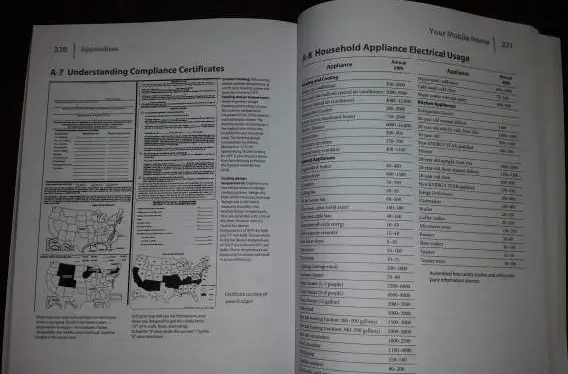
    mobile home repair books-Inside page of Your Mobile Home Book

    The guide is 252 pages of in-depth information on topics ranging from air sealing methods to wall-roof retrofits. The chapters are short and to the point and each section is well-organized with plenty of visual aids.

    mobile home repair books-Inside page of Your Mobile Home Book

    Your Mobile Home: Energy and Repair Guide for Manufactured Housing, 5th Edition

    So far, this is the best resource I have found for mobile homeowners and I highly recommend it.


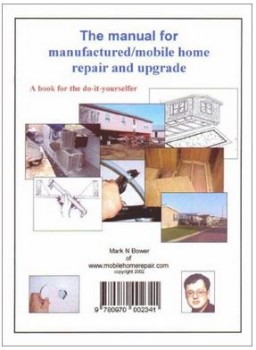
    The Manual for Manufactured/Mobile Home Repair and Upgrade

    The second book every manufactured homeowner should know about is The Manual for Manufactured/Mobile Home Repair and Upgrade.


    mobile home repair books-Manual for mobile home repair book cover

    The Manual for Manufactured/Mobile Home Repair and Upgrade 

    This book was written by the publisher of MobileHomeRepair.com so you know it’s a great resource.

    The topics range from additions to window installation. Images are smaller and in black and white. The pages are spiral bound in a plastic comb but don’t let that impact your decision to buy it. I actually respect the author more for publishing the book himself – when you have information in a neglected niche that can truly help people you do what you can to get it to them.

    This is a well written and highly informative book wit lots of drawings and photos that show each step.

    mobile home repair books-Inside Pages of The Manual for manufactured and mobile home repair and upgrade

    The manual is available at Amazon for $22.64 for new and $22.67 for used.

    There’s 200 pages of great tips, advice, and step-by-step directions on basic repair and remodel topics.

    The Manual for Manufactured/Mobile Home Repair and Upgrade

    Manufactured Home Repair and Maintenance

    Another book every manufactured homeowner should know about is called Manufactured Home Repair and Maintenance, though this is the book that I do not consider a true repair manual or guide.

    Purchase the Manufactured home repair & maintenance guide here.


    mobile home repair books-Manufactured Home repair and Maintence

    Manufactured home repair & maintenance

    It’s a very short book at only 52 pages and there’s very little text. It is packed with a lot of simple, but thorough, information. Color photos are half of every page so you get plenty of visual knowledge.

    The price for this book is $13.46 new and $10.79 used on Amazon. Compared to the others, I think it may be a bit overpriced.

    mobile home repair books-Inside Pages of Manufactured Home Repair and Maintenance Book

    Perhaps if the price went down to around $6 or $7 I would feel more comfortable recommending it. Still, it has good tips and the images provide a lot of information.


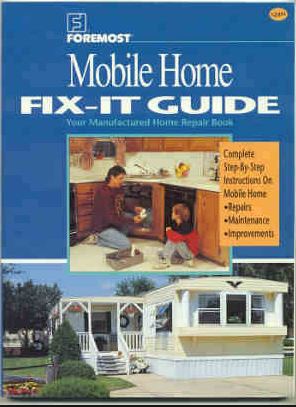
    Foremost Mobile Home Fix-it Guide: Your Manufactured Home Repair Book 

    Foremost Mobile Home Fix-It Guide: Your Manufactured Home Repair Book is way out of my price range so I don’t own it but I would love to. Based on reviews and the price, I suspect it’s something every manufactured homeowner should know about.

    A month or so back the book was going for over $250 at Amazon but I noticed it’s gone down to $68.71 for a used one. Today, a new book will cost $186.62 at Amazon and over $500 at another online bookstore.

    mobile home repair books-Foremost Mobile Home Fix it Guide Book Cover

    Foremost Mobile Home Fix-It Guide: Your Manufactured Home Repair Book

    If you’re willing to spend $68 on a book I say go for it.

    Foremost Mobile Home Fix-It Guide: Your Manufactured Home Repair Book

    Foremost is a well-known insurance company that has dealt with mobile homes since the 1940’s. They have had thousands of manufactured homes repaired and I bet that experience is handy when writing a repair manual.

    Disclosure: 

    Each link to buy the books is an affiliate link. This gives me a small percentage (I think 4%) of the purchase price if you use the link to purchase these mobile home repair books.  Please know that I have never recommended anything on MHL just to make money. A few dollars isn’t worth losing you or your trust. I just think these books can really help you and I wanted to share them with you, especially after I received the top book. I’m very impressed with that book!

    Thank you so much for reading Mobile and Manufactured Home Living!

  • The Importance of a Home Security System

    The Importance of a Home Security System

    If you know someone who has been the victim of a burglary, or had their home ravaged by the destructive power of a raging fire, you understand that this can be a life-changing event that many people never recover from. If you are lucky enough to own a home, you must make protecting it your top priority. Protecting a home does not simply mean preventing a fire or a robbery, it also means protecting your loved ones who are living inside the house. The best and most effective way to do this is by purchasing a home security system. Check online for home security systems reviews for 2015.

    In the world we life in today, there is simply no excuse not to invest in this affordable and potentially life-saving device. However, home security systems have come a very long way from simply notifying your local police department of a possible break-in at your home. Nowadays, a security system can basically function as the brain of your home, controlling numerous features, in addition to providing protection and security. The following are just a few of the tasks that home security systems are now capable of performing.

    Residential Lighting Control

    Home security systems are now capable of being programmed to control all of the lights inside and outside of your home. As if that wasn’t good enough, this can be done from any location. The security system can be controlled through the use of a tablet, PC or smartphone. There are a number of options you can choose from as far as lighting control is concerned. For example, you can have motion detectors installed around your home. If these motion detectors are triggered, you can set the security system to turn on your lights. Also, you can choose which specific lights will turn on and how long they will remain on. You also have the ability to make the lights more dim or bright at any time. Having lights on in your house when you are not home is a great way to deter potential burglars. They will simply avoid your house in favor of finding one that is not as brightly lit.

    Monitor Whenever a Door is Opened

    All criminals do not simply smash through a window to gain access to your home. While glass break sensors are nice to have, they will not keep you completely protected from home invasions and burglaries. Criminals will sometimes be able to obtain the passcode for a security system, preventing an alarm from being triggered. However, you can have your home alarm system notify you every time the door to your home is opened, even if the passcode is entered successfully. If you are away on vacation and you receive a notification that your home has been entered when nobody is authorized to do so, you can contact the police to investigate.

    Cellular Monitoring

    In the old days, any home security system utilized landlines in order to stay in touch with the houses they were monitoring. However, things have changed quite a bit since then. Nowadays, there are companies that offer cellular monitoring for homeowners who don’t possess a landline phone connection. This is also a good backup communication method in the event that a home’s landline is disabled or cut.

    Interested in learning more about mobile home security? Read our Smart Home Security Options for Your Mobile Home.

    This is a sponsored post. Opinions are my own.

    Thanks so much for reading Mobile Home Living!

  • A Homette for Two

    A Homette for Two

    A Homette for Two

    No need for spaciousness.
    Just a little home – a “Homette,”
    with bright windows,
    a skylight or two,
    like Heaven’s Orb de deux.

    We’d be snug, just us two.

    Efficiency the ruling way:
    a little sink, stove, and refrigerator,
    just-big-enough shower,
    a camper’s toilet – this isn’t
    for the too discreet.

    Just you and me
    in a tiny, compact, small abode
    with a pet – a cat – or bird – or canine.

    All we’d ever need, or want,
    Just you and me with a sunny, bright view.

    I’ll lose weight, if you will too, so we can
    snuggle in a bed made for less than two.

    –Theresa Glover

    This lovely poem was written Theresa Glover, a very talented reader of Mobile Home Living!

    Theresa and her husband have been looking at retirement possibilities and the search inspired her to write Homette for Two.

    About Theresa 

    Theresa Glover was born in California but has spent most of her life in Illinois.  She attended both public and private schools in Illinois and eventually earned a Bachelor’s degree in English.

    Theresa has written articles for several newspapers, most notably, a long commentary on the adoption process in Illinois that was published in the Chicago Tribune. She and her husband have an adopted son, now 17, who inspired the story. Theresa is a stay-at-home mom.

    She writes, sometimes draws, and has painted in watercolor and other mediums but her favorite occupation is writing poetry.

    Homettes are Great Homes

    We live in a Homette so this poem was especially relevant to me. I’m very pleased with our 1978 Homette single wide. It has a great floor plan and the construction is sound.

    Related: See our 1978 Homette single wide here. 

    We’ve featured another great Homette remodel on MHL! It’s one of our most popular featured homes and is a great representation of the potential that all older mobile homes have.

    You can see it here and read the owner’s interview here.

    Thank you so much for writing such a great poem and sharing it with us Theresa!

    And thank you for reading Mobile Home Living!

  • Is the Mobile Home Stigma Disappearing?

    Is the Mobile Home Stigma Disappearing?

    If you would have asked me 10 years ago if I thought it was possible for the mobile homes stigma to disappear I would have probably laughed at you and asked if you were serious.

    If you ask me that same question today I’d say yes, it is possible for mobile homes to lose their stigma and it’s happening right before our eyes!

    The Beginning of the Mobile Home Stigma

    Mobile home owners have dealt with stereotypes and stigmas since the beginning.

    The American trailer industry was in its infancy in the late 1930’s. Due to WWII, they had to produce thousands of homes for the US government to house migrate workers, a necessity to keep the country going during the war. The industry didn’t have the experience or the materials needed to build the homes properly and thousands of people lived in poorly designed and poorly built trailers for several years. From there, it was an uphill battle to get affordable housing accepted in communities and towns.

    You can read more about this opinion in our article titled How the Mobile Home Stigma Began.

    Those of us familiar with the homes understand their many great benefits but we’ve always had to deal with the stigma and smile politely whenever we hear the words trailer trash.

    Fortunately, the times are changing.

    So, Is the Mobile Home Stigma Disappearing? 

    The other day I was browsing a popular site called Imgur and came across something that made me smile.

    Imgur is a popular image sharing site that was developed for Reddit.com. Users submit links to Reddit using Imgur because Reddit only accepts links and text and readers vote on them. Submissions with the most votes are featured on the front pages.

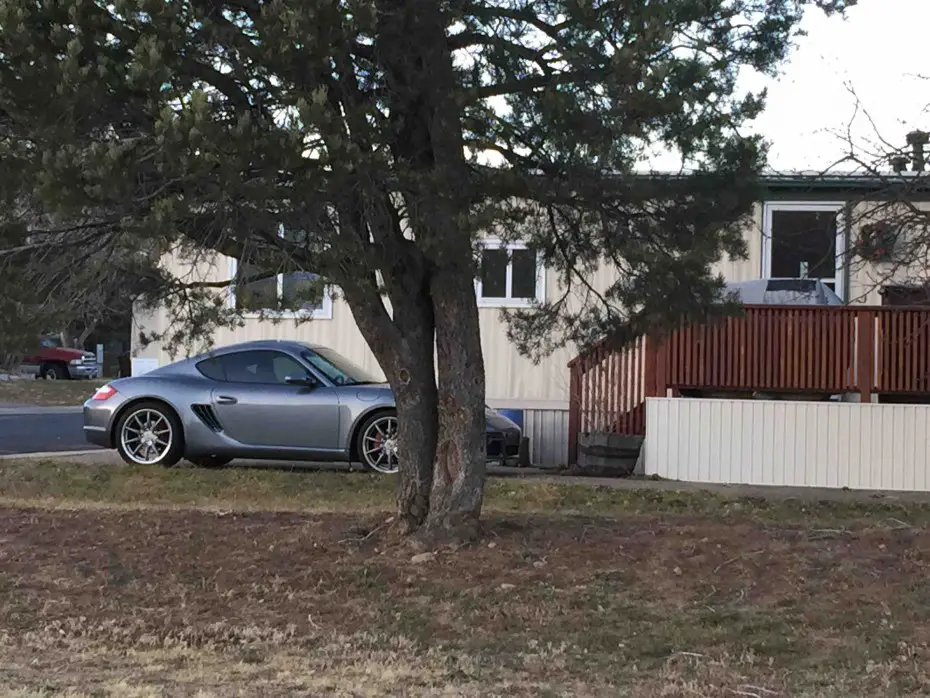
    The following image was submitted to Imgur and reached the front page with the title ‘Priorities.’

    If I had to guess, the person that submitted it meant it to be a negative connotation because a fancy car is parked in front of a mobile home and that meant the owner had their priorities all wrong. I mean, why would anyone want to live in a mobile home, right?

    I expected to see some depressing comments agreeing with the submitter but I was wrong. Very wrong! 

    The end of mobile home stigma - Image

    Before I show you the comments, I think its important to tell you about Imgur’s readership. Wikipedia states that the median Reddit user is a male American between the ages of 18-29. Females within the same age range are the second largest usergroup on the site.

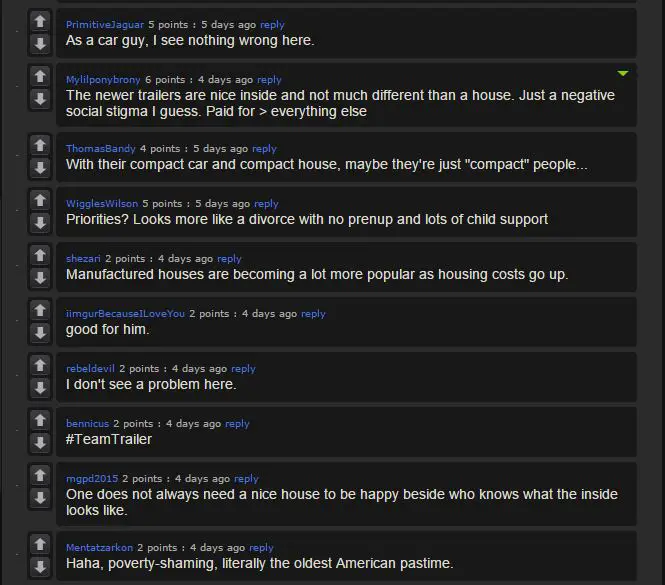
    The young age is an important factor to consider because here are the top comments for the image shared above (I covered up the not-so-nice language):


    The end of mobile home stigma 4

    And even more comments:

    The end of mobile home stigma 5

     These are young adults standing up against the mobile home stigma! 

    I don’t think you would have seen anything like this happen 10 years ago. At least, I don’t recall ever seeing anything like this before. I’m used to reading ignorant, biased, unbecoming comments when manufactured homes are mentioned anywhere online.

    It’s refreshing to see these people standing up for affordable living and it gives me a lot of hope that perhaps others will realize that living within your means is just as great as living in a site-built home with an outrageous mortgage.

    As I was reading these comments, I couldn’t help but smile.

    I hope it makes you smile too! 

    Thank you so much for reading Mobile and Manufactured Home Living!

  • Finding Homeowner’s Insurance for Manufactured Homes

    Finding Homeowner’s Insurance for Manufactured Homes

    Manufactured homes are designed with the same perks as single family homes and condos; the kitchens display granite counter tops, stainless steel appliances, custom built fireplaces, and other high-end finishes. Many models cost as much as a site-built home and once permanently installed are classified as real property so when you’re shopping for insurance for manufactured homes in the marketplace you have several things to consider.

    We’ll cover how to choose the right insurance company for your manufactured home and the coverage you should consider in a policy.

    Choosing the Right Insurance Company

    The popularity of manufactured homes has increased the availability of homeowner’s insurance and most of the major carriers have products to accommodate this market.

    Foremost Insurance

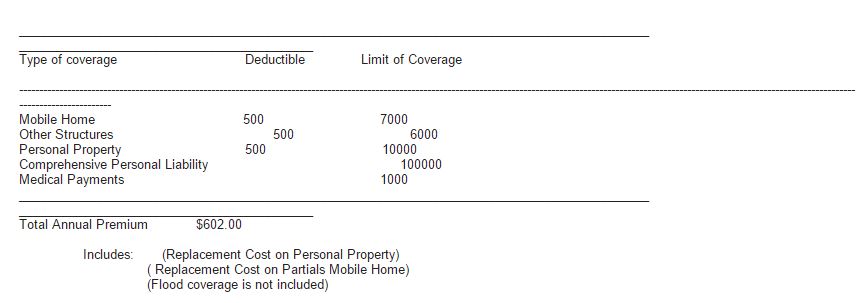
    One of the most popular insurance companies for a manufactured home is Foremost Insurance. They have been covering mobile and manufactured homes for more than 50 years and are a leader in the industry. I recently got a quote from Foremost for my own 1978 single wide home and the rates seemed reasonable. We are wanting to install a wood stove and our current insurer is going to drop our policy so I used Foremost’s website to obtain a quote with a wood stove. I also opted to insure our detached garage and building which was not an option with our current policy. Here’s the quote they emailed me a few days later:

    Foremost Insurance Manufactured Home Policy Quote


    An annual cost of $603 is substantially higher than our current insurance policy of only $230 per year but it covers a lot more with a lower deductible and allows us to have a wood stove.

    Please note: I am not being paid by Foremost and have no relationship with them. This is simply my experience in obtaining a quote. 

    Other Companies that Offer Manufactured Home Insurance

    I tried to get quotes from a few other insurance companies as well but all the others stated they could not offer me a policy. I suspect it was due to the wood stove. Here’s a list of companies that offer manufactured home insurance. Just click the link to be taken to their website.


    Things to Consider When Choosing an Insurance Company

    When you are looking for the right company, here’s a checklist of things to consider.

    • How long has the company been providing manufactured home insurance? Even though a company boasts of a long history in the insurance industry, this is a niche market and requires experience.
    • Go to http://www.ambest.com/ to locate your company’s insurance rating. Good ratings range from A++ to B+.  Insurance companies below B+ according to the A. M. Best Company’s guidelines are not as secure as those with higher ratings. Don’t let an inexpensive premium be your guideline for selecting your insurance provider.
    • You should have several levels of insurance to choose from. Insurance companies usually have products with minimal coverage to those that are fully loaded.


    Homeowners policy for manufactured homes

    Coverage

    Your home is probably your most valuable asset. Protecting it and your personal property is a primary concern for most homeowners. Manufactured homeowner protection can range from a basic policy, which protects your property against natural disasters, explosions, and other unpredictable occurrences, to a comprehensive one, which includes the replacement cost of your home.

    The best coverage is what makes sense to you.

    • When speaking with an agent make sure that several levels of coverage are quoted.
    • Take an inventory of your valuables inside your home and the cost to replace them.
    • Keep in mind that most companies cover your land and other buildings that are attached such as storage sheds and detached garages.

    The location of your manufactured home will also help determine your level of coverage. Weather is, of course, a huge factor, and the severity of certain conditions will help to drive specific types of coverage. Protect your home against windstorms, falling trees and objects, hail storms, and a host of occurrences that manufactured homes are usually more susceptible to. These occurrences are most often minor, but the cost to repair can put a serious dent in your budget.

    Related:  How to File an Insurance Claim for Your Manufactured Home.

    Average Home Insurance Rates by State

    Below is a chart depicting the average insurance rates per state by StaticBrain.

    1 Florida $2,280
    2 Oklahoma $1,572
    3 Louisiana $1,483
    4 Arkansas $1,014
    5 Kansas $1,004
    6 Texas $986
    7 Missouri $949
    8 Alabama $933
    9 Minnesota $926
    10 Mississippi $907
    11 Nebraska $887
    12 West Virginia $875
    13 Kentucky $874
    14 Georgia $833
    15 Tennessee $801
    16 Connecticut $799
    17 California $795
    18 Colorado $795
    19 Indiana $781
    20 Illinois $760
    21 South Carolina $679
    22 Maryland $645
    23 Wisconsin $644
    24 Montana $640
    25 New Jersey $638
    26 North Carolina $631
    27 Delaware $629
    28 Iowa $624
    29 New York $622
    30 Pennsylvania $621
    31 Ohio $621
    32 Nevada $584
    33 New Mexico $582
    34 New Hampshire $581
    35 Virginia $570
    36 Washington $569
    37 Arizona $559
    38 Vermont $556
    39 Oregon $484
    40 Utah $441
    41 Idaho $405
    42 Wyoming N/A
    43 North Dakota N/A
    44 South Dakota N/A
    45 Michigan N/A
    46 Massachusettes N/A
    47 Rhode Island N/A
    48 Maine N/A
    49 Alaska N/A
    50 Hawaii N/A

    Flood Insurance

    Keep in mind that flood insurance is separate from homeowners insurance. Visit Floodsmart.gov to learn more about obtaining the right flood insurance for your home. 

    How Much does it Cost?   

    The answer to this question is highly dependent on the level of coverage that you are comfortable with. It also depends on the value of your home and other buildings located on the property. Usually, rates are quoted from the low end of $250 to a high end of $1,300 per year. If you are underinsured, consider that a catastrophic lost may not be covered.

    Sometimes insurance for manufactured homes is just as expensive as traditional homes. The incidents of claims filed are higher, because of greater exposure to natural disasters. Even though the overall financial investment for manufactured homes is usually less expensive, insurance for manufactured homes can be just as costly as with other structures.

    Do I Really Need Homeowners Insurance?

    While most wouldn’t even ask this question, some homeowners choose to take a calculated risk, especially if they feel their cash reserve is sufficient to cover most losses. However, no matter your personal financial situation homeowner insurance is a safer bet.

    Insurance coverage is often very comprehensive and will cover accidents in the home, which can cause property damage, to injuries incurred by a guest who slipped and fell on your porch. Also keep in mind that if your home is deemed uninhabitable because of a natural disaster, only an insurance policy can minimize the cost to replace your home.

    Thanks for reading Mobile and Manufactured Home Living!

  • The Ultimate Manufactured Home Installation and Setup Guide

    The Ultimate Manufactured Home Installation and Setup Guide

    Manufactured Home Installation and Setup is Important!

    Proper manufactured home installation and setup is vital to your home’s health. Simply put, there is nothing more important than having your manufactured home installed and setup correctly.

    Improper installation will result in serious damage. The stress on one small part of the structure impacts the entire home. The home will age quicker and the stress causes warping and bowing. After a short time has passed, the homeowners will begin experiencing issues such as leaks and it just goes downhill from there. Unfortunately, by the time the minor issues pop up major damage has been done to the home and it can be expensive to repair or correct the problem.

    Education and inspection are the two best defenses against improper manufactured home installation and setup. If a homeowner understands the installation process and is able to ask the right questions they can ensure it is done correctly.

    Buying Your Manufactured Home

    Before you have a manufactured home installed you need to buy one. Here are a few articles that should help:

    Once you know how to buy your home at a fair price you need to continue the research on installation and setup in order to protect the investment you just made.


    Manufactured-home-installation-and-setup

    Manufacturer’s Home Manual

    When it comes to manufactured home installation and setup the builder’s instruction manual shall trump all others.

    Think of the national HUD standards as being the base regulations. Their standards are nationwide but each state has its own (possibly) higher standards based on their average soil and climate environments. The manufacturer’s installation manual will meet all HUD standards but it is usually much more detailed and will have higher regulations so it should always be followed.

    Click here see for our Directory of Mobile Home Manuals.

    The manufacturer’s installation manual will provide details and specifications to meet HUD standards and is usually much more detailed so it should always be followed.


    HUD Regulation for Manufactured Home Installation and Setup

    Before 2009, there were little regulations or codes set on a national level to mandate or control manufactured home installation and setup procedures. Several states provided their own guidelines but minimal standards varied and little to no checkpoints were in place. Thankfully, that’s changing a bit.


    An Awkward Position for Home Buyers

    Home buyers are often put in an awkward situation when it comes to installation of their home.

    Typically, the dealership will either have their own installation department or will recommend contractors. Most home buyers aren’t going to know of any installers so they will just take the recommendation and choose one with. That’s where they go wrong.

    Due diligence is absolutely required when choosing the installer for your new home. You just paid thousands of dollars for a home, you need it installed properly to protect your investment.

    Google search the name of your state and term ‘licensed manufactured home installer.’ The search results should include a link to your state’s HUD agency (or relevant office).  Click here for a listing of Florida’s licensed installers. 

    You will need to check that the company you choose still has an active license (bonds and insurance are required -if they lapse the license is no longer active).

    Manufactured Home Installation and Setup Terminology

    Learning the lingo and terminology used in the manufactured home installation and setup process is the first step in understanding the process and ensuring that you get your home properly set up.

    A  few common terms you should know (courtesy of the Florida Manufactured Home Setup Manual):


    Dealer Installer – any licensed manufactured home dealer who is authorized by the department to install mobile/manufactured homes. Dealer installers are part of the dealership where you buy the home. In the US, a manufactured home builder cannot sell a home themselves, there has to be a middleman or dealer.


    Licensed Installer – any person that is not a direct employee of a licensed dealer or builder that engages in mobile home installation and setup that is licensed to do so by their state’s Department of Highway Safety and Motor Vehicles.


    Stabilizing Devices – any part of the anchoring or support system, such as piers, footings, ties, anchoring equipment, anchoring assemblies, or any other equipment, materials, and methods of construction that support and secure the manufactured home to the ground.


    Permanent Versus Non-Permanent Foundations

    There are two main types of foundations, permanent and non-permanent.

    Permanent Foundations

    There are several types of foundations that a manufactured home can have. The permanency of the installation, chosen appearance, and the location of the home will determine which foundation is used.

    If a homeowner owns the land and has no intention of moving the home again, a permanent foundation is usually the best.

    The three main categories of permanent foundations are floating slab, roll-on, and pit-set. There’s also the basement and roll-on foundations.

    Floating Slab Foundations

    A floating slab foundation is a poured concrete pad with re-bar or J-bolts installed into the concrete so that the tie-downs can be attached to them instead of Helix Anchors.

    The concrete floating slab foundation is usually only 6 inches thick but due to the way the concrete is formed and shaped the home can move along with the slab when the ground freezes, avoiding the possibility of cracking the foundation or damaging the home. There is a variable to the single floating slab foundation where two strips of concrete are used instead of one large slab.

    Roll-on Foundation

    Roll-on foundations are used when a homeowner wants the home to be even with the ground level. A deep foundation is dug out and reinforced walls are poured to so that the home looks as if it is sitting directly on the ground.

    manufactured home installation and setup - Placing a Manufactured Home Over a Full Basement


    Pit-set Foundation

    A pit-set foundation is similar to a floating slab except the slab is poured one or two feet below ground level and walls are poured around the perimeter of the foundation to be even or slightly higher than the ground level. This creates a completely enclosed foundation.

    Basement Foundation

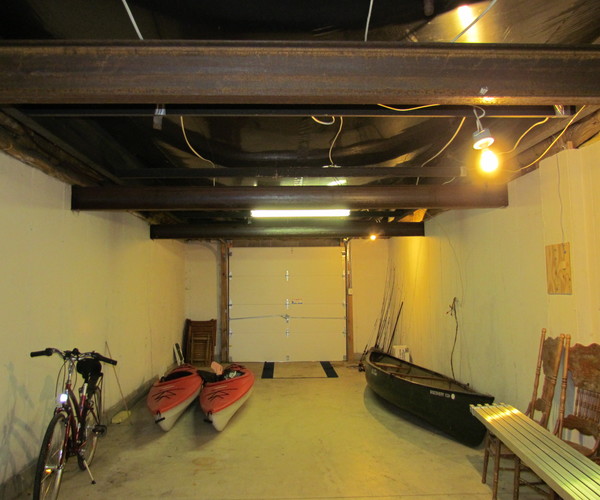
    Basement foundations are self-explanatory. A full or half basement is built under the home. This single wide is installed over a basement foundation. You can read more about that home here and here.


    manufactured home installation and setup - single wide over a full basement foundation


    Non-Permanent Foundations: Pads and Footings

    For non-permanent foundations, there are two main choices, pads and footings.

    A surface set pad foundation uses cinder blocks on level ground.

    A pier footing foundation system consists of several re-bar reinforced concrete columns that are poured to set directly under each pier or block set of the home. These columns may or may not meet the frost-line depth for that location.

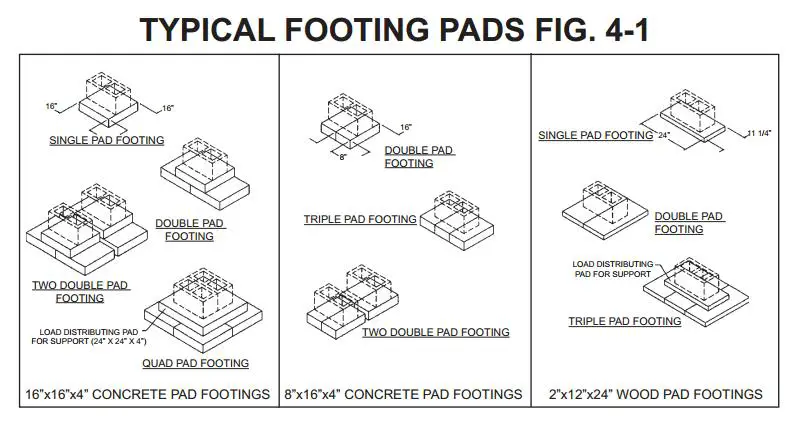
    The size of the foundation is determined by the soil bearing capacity and the size of the pad. Each state will have a minimum foundation pad size and will state what material the pad can be constructed with. For instance, Florida’s smallest pad size is 16”x16” and can be made of concrete or plastic, wood is not acceptable.

    The size of the foundation determines the pier spacing and the amount of weight that each pad can carry. The manufacturer’s installation manual will provide additional information for proper pad sizes. Below is a footing pad diagram from a Skyline Homes manual:


    manufactured home installation and setup - footing pads for manufactured homes

    Support Piers

    Site built homes have stem walls on the outside, directly under the exterior walls. Manufactured homes have piers positioned under the chassis.

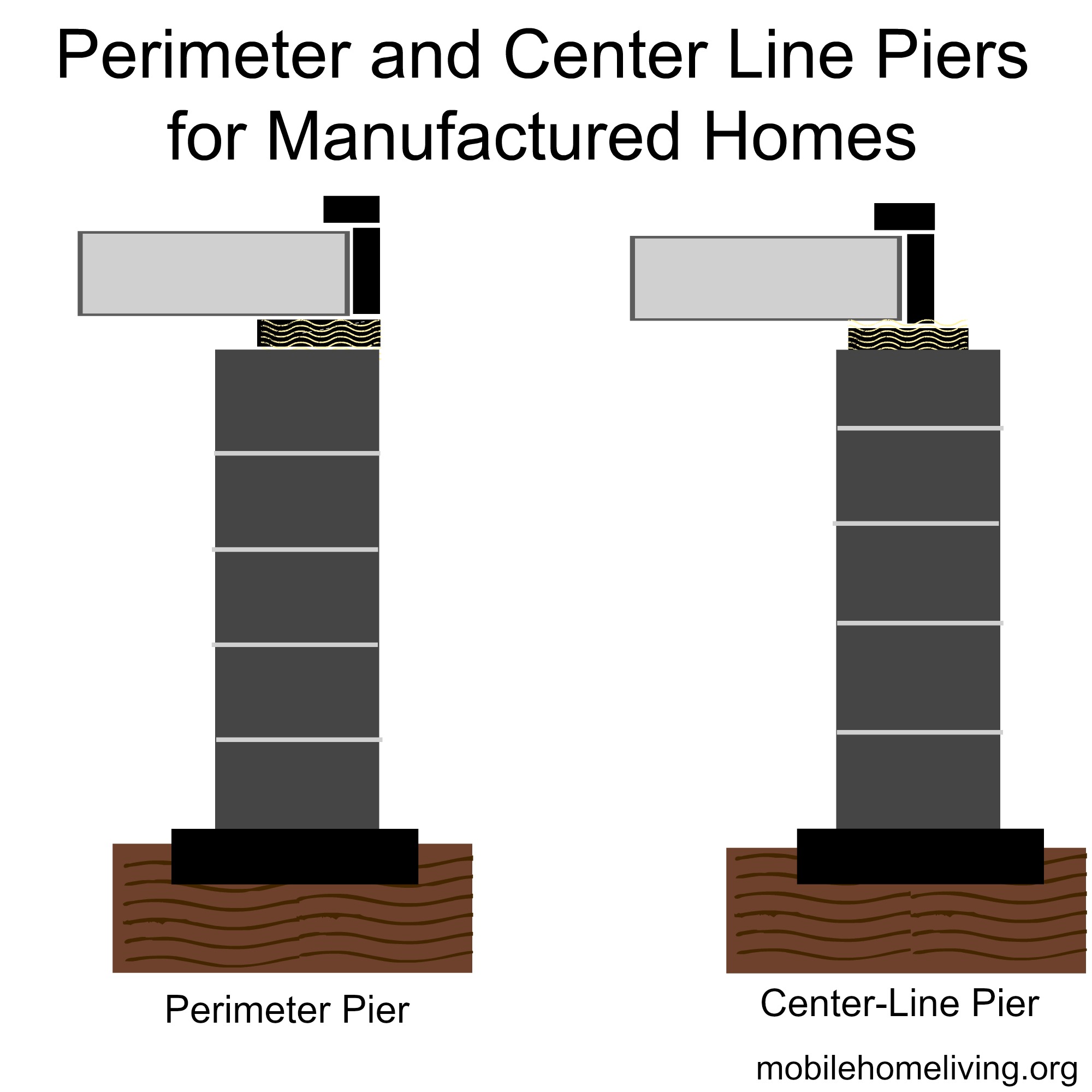
    Piers are made of steel or concrete. There are three main support areas on a manufactured home: the frame or I-beam, the center-line, and the outside perimeter.

    Perimeter piers must be centered under the I-beam and at the marriage line if the home is multi-section. The spacing of the piers must be carefully calculated by the installer. The block plan discussed earlier is used to determine this spacing.

    There are various rules regarding the different piers. Clearance, pier height, single vs double stacked blocks, shims, and many more guidelines must be followed. The homeowner should research to know the specific rules for the home type and the location.

    Blocking Plan

    A blocking plan will be included with each home installation manual. It will be similar to the one below:


    single wide mobile home blocking plan


    The illustrations below portray the various types of piers and footings that a manufactured home can have.


    manufactured home piers and footing installation

    Note: If a double interlocked pier is filled with concrete it can usually be used up to 80 inches in height.


    Steel pier and frost line footer:

    steel pier and frost line footings w text


    An illustration showing the difference between perimeter piers and center-line piers:

    Perimeter and Center Line Piers for Manufactured Homes


    Anchors and Tie-Downs

    Anchors, or tie-downs, are used to anchor the home’s frame to the earth or the foundation.

    Improper anchoring or tying-down a home is the main reason we see so many homes on their sides on the weather channel. It is not the home itself but the lack of tie downs or anchoring system used on the home.

    If a new manufactured home is correctly tied down it can withstand over 110 mph winds.

    Types of Anchors and Tie-Downs

    Ground Anchor – any device approved by the DMV that is used for the purpose of securing a manufactured home to the ground in order to resist wind forces. Ground anchors are rated by working load, which is the maximum load for design purposes. The ultimate load is the working or design load multiplied by the safety factor of 1.5.


    Frame Tie or Tie Down – any device or method approved by the department and used for the purpose of securing the mobile/manufactured home or park trailer to ground anchors in order to resist lateral wind forces.


    Vertical Tie – any device or method approved by the department and used for the purpose of securing the mobile/manufactured home or park trailer to ground anchors in order to resist vertical or uplift forces caused by the wind.


    Over-Roof Tie – any device approved by the mobile/manufactured home manufacturer or listed by the DMV to be used for the purpose of securing the manufactured home to ground anchors in order to resist wind forces. Ties may be installed over metal roofs.


    Hire a 3rd Party Inspector! 

    The most important advice I can give you is to never sign anything until the home has been completely installed and inspected by a 3rd party that is not affiliated with the dealer or the installer.

    Hiring an independent inspector will cost you a few hundred dollars but it is money well spent. Only after they have inspected everything should you sign anything.


    Annual Level Checks are Smart

    A manufactured home must be re-leveled at regular intervals. Homes with complicated foundations or if they are high off the ground should be checked annually for the first few years to ensure that settling or shifting hasn’t occurred. Less complicated homes can probably go 18-24 months between checks. You can find a water level for around $50. 

    As always, thank you so much for reading Mobile and Manufactured Home Living!

  • How Manufactured Homes Are Constructed

    How Manufactured Homes Are Constructed

    Understanding how manufactured homes are constructed can help you remodel or modify a home. This is especially true when you have to replace the flooring or move walls in a mobile home. Knowing the construction methods that are involved, and the order of construction, can help you plan your project better and save money.

    This video is shot inside of a Cavco’s factory and shows the process of building a manufactured home from start to finish, in this case, a single wide park model home.  Notice how the heating vent is one continuous vent running down the center of the chassis and how the floors are laid before any walls are attached to the structure.


    Over the years, the manufactured home builders have tweaked their building processes down to a fine science and the quality of the homes has increased significantly. Building a home in a factory is a safer, more affordable method of home construction. From wearing hard hats for protection from injury to inventing specialized machinery  – factory building is the best all-around method for home construction.

    10 Smart Upgrades to Get When Buying a New Manufactured Home

    A Look Inside

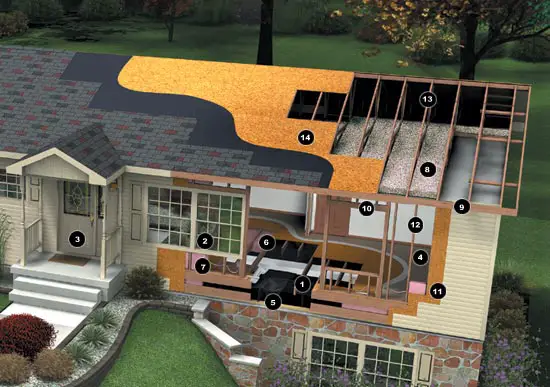
    If you want to visualize a double wide’s building process, this image should help you. I found it at Frey’s Mobile and Manufactured Home Sales website.


    how manufactured homes are constructed

    1. 2×10 #2 SPF or better floor joists on 16″ centers.
    2. Perimeter heat with wall mounted registers and boots.
    3. Shaw Acclaim 16 ounce casual texture carpet with 5 pound rebond pad.
    4. 2×6 Stud SPF or better placed on 16″ centers.
    5.  2×10 headers above all windows and doors.
    6. 7/16″ OSB exterior sheathing.
    7.  R-19 Owens Corning Fiberglass wall batt insulation.
    8. R-33 Cellulose Roof Insulation.
    9. Optional 7/12 roof pitch with 50 or 70-pound snow load.
    10. 2×6 Fascia plate.
    11. 7/16″ OSB exterior roof sheathing.
    12. Architectural Roof Shingles.
    13. Full-finish drywall throughout the home.
    14. Dual pane vinyl, single hung – single tilt windows.
    15. 36×80 vinyl clad steel insulated 6-panel door with storm front and rear.

    Learn about the 3 levels of quality and price here. 

    Knowing how manufactured homes are constructed will not only help you remodel your older home, but it will also help you while buying a new home.

    As always, thanks so much for reading Mobile and Manufactured Home Living! 

    (MMHL does not endorse or recommend one manufacturer over another. Each manufacturer has their own strengths and weaknesses.)  

  • Who Are You Calling Trailer Trash?

    Who Are You Calling Trailer Trash?

    “No one has a right to comment on anyone’s life or the choices I do or don’t make.” 

    -Kate Winslet

    There’s NO such thing as Trailer Trash

    People living in mobile and manufactured homes have been stereotyped, stigmatized, and labeled from the very beginning.

    In the late 1920’s the first ‘mobile home’ rolled off the assembly line. A transportable canvas tent, pulled behind the vehicle in a small wooden box, had been available for years, In fact, they came out shortly after the automobile. Eventually, a pull-along camper with walls and a roof was available.

    The transformation from the simple camper of the late 1920’s to the gorgeous modern manufactured homes we have today is an almost perfect story of American ingenuity.

    Americans were suddenly able to see the country and road trips became a popular pastime. It was only natural for the new tourists to want to extend their road trips to see as much as possible. Carrying along cooking tools and sleeping quarters made the trips easier – the public could see as much of the country as they wanted.

    In the beginning, only middle to high-income families could afford such luxuries as a camper. Campers were a popular status symbol. But WWII changed that quickly. You can read how the mobile home stigma began in WWII here. It’s an interesting story!


    Trailer Trash Prevails

    Stereotyping and name-calling are no longer as tolerated as they once were. You can’t use derogatory words in polite company without consequence anymore.

    But there is still one group that continues to be labeled freely and openly: trailer trash.

    It is still acceptable, even in polite company, to use the term trailer trash to describe someone in a negative manner. Just about every other derogatory label has become unaccepted but trailer trash still prevails.

    Many of us know the truth and understand the advantages of factory-built housing but there are still a lot of good people that are being influenced by the stigma and myths that plague mobile homes. It’s keeping many families from considering a manufactured home.

    Embrace Your Individualism (but don’t do that, or that, and definitely not that)

    Why is this country so focused on labels?

    We are told to embrace our individualism and uniqueness but as soon as we do we are labeled rebels, or worse, trash. All of us are supposed to fit into a square peg even though we are all round.


    Watch Who You’re Calling `Trailer Trash’

    Helen R. Lee wrote of these frustrations more than 15 years ago in an article titled “Watch Who You’re Calling Trailer Trash” that was published in the Chicago Tribune in April 1997. I think you’ll enjoy her insight:

    By Helene R. Lee. She and her husband are retired and have lived for nine years in a manufactured-home community in Lockport, N.Y | April 2, 1997

    Remember the character in the movie “Network” who yelled; “I’m mad as hell and I won’t take it anymore”? That’s exactly how I feel whenever I hear or read two words–”trailer trash.” The supposition seems to be that people who live in trailer parks are trash and/or that their homes are trash; that they are mentally challenged; unclean and have little conception of world events.

    The words or inference keep popping up in novels, in articles, in movies, on TV, in a description of a Barbie doll. We’ve heard them repeatedly in references to Paula Jones, President Clinton’s nemesis in a sexual harassment case. A Newsweek writer, speaking on television, referred to Jones’s reputation as “just some sleazy woman with big hair coming out of the trailer parks.” And James Carville, Clinton’s former adviser, made the comment: “Drag a hundred dollars through a trailer park and there’s no telling what you’ll find.”

    I have to stop at these quotes because I am getting angrier and angrier.

    The park where my husband and I live has more than 1,000 homes. The park is well maintained, likewise the homes, with perhaps one or two exceptions. Not a bad ratio, since unkempt homes can be found in any neighborhood.

    The diversity of the residents is apparent, especially on a warm summer evening. There are young couples just starting out, couples with children, retired couples, widows, widowers, and singles. There is neighborliness, too. After our last bad snowstorm, we soon saw our young neighbor shoveling out not only his car but an elderly neighbor’s as well.

    There are yearly contests at Christmastime for the best decorated home–also for any homeowner who demonstrates special improvements. There are parties for the children at holiday time. In the summer there are organized softball games and other pastimes, all taken care of by parents and the park management.

    Manufactured Home Communities

    I would like to point out that communities like ours are no longer called trailer parks. They are “manufactured-home communities.” There is no way one of these homes can be hitched up to a car or small truck and pulled away. Once the home is set up, there it stays. Only extraordinary and costly ways are utilized to pull one out.

    The homes come in varying sizes and are very affordable compared to site-built homes. Not everyone can afford a $100,000-plus house, after all. In our area (western New York), a new manufactured home can cost $40,000 to $50,000 while a good used one can be bought in the $20,000 to $30,000 range, depending on size.

    Because of the reasonable costs, these homes make good starters for young couples who hope to move up later to larger, conventional houses. They are suitable for retired people on fixed incomes, families with lower-wage jobs or those who just don’t want the hassle of maintaining a large home.

    My own experience with so-called trailer parks extends to California where I visited a friend a few years ago. Her park was beautifully laid out and landscaped, as were other parks we toured. The pride of the residents was obvious in the immaculate homes and well-maintained lots.

    At this point, I admit I am not wearing blinders. No doubt there are trailer parks that are rundown.

    Unfortunately, the film industry and television insist on perpetuating the stereotyping of trailer parks–manufactured-home communities. In their version, every park is rundown, inhabited by borderline illiterates and drunks prone to violence.

    The film industry and TV executives along with James Carville, the Newsweek writer and a host of other writers owe an apology to all the residents of manufactured-home communities. We’re sick and tired of the stereotyping…….

    The above article was originally published in the Chicago Tribune.


    trailer trash-Paradise Bay Trailer Park


    Summary

    I wrote my own editorial regarding the frustrations I had with mass media and their ever apparent prejudices against mobile and manufactured homes in an article called “Why Mobile home Journalism is Biased” that you may want to check out.

    I urge all journalists and anyone with a public following to remove the term trailer trash from your vocabulary. It’s indicative of poor research and labeling an entire demographic wrongly and unfairly. We are people simply trying to make it in this world with little debt and lower housing costs. We are far from trash.

    I’d love to hear your opinion regarding these silly labels and stereotypes and how you think we could best combat them. Just add your comment below. Thanks!

    As always, thank you so much for reading Mobile and Manufactured Home Living!

    Image Sources: Boston Public Library

  • 35 Money Saving Tips to Reduce Your Electrical Bill

    35 Money Saving Tips to Reduce Your Electrical Bill

    Electricity consumption is a major theme in our world now so it makes sense to want to reduce your electric bill. We understand that we must use less of it and that our dependency on our outdated grid system is not healthy. Energy reduction for manufactured homes can be accomplished with relative ease. A few small changes can really help the billfold, and the environment.

    Everyone knows that there are ways to save energy consumption but some of us just don’t know where to start. All kinds of questions pop up.

    The simplicity of the whole energy reduction movement is that your efforts are easily verifiable because the results are real. Reducing your consumption will reduce your bill. You can see the effects of your actions fairly quickly. The more elaborate you go, the more change you will see.

    Reduce Your Electrical Bill with These 35 Money Saving Tips

    There are lots of things you can do to reduce energy consumption in manufactured homes. You can choose from the smallest, cheapest fixes to the largest, most expensive systems.

    Improve Heating/Cooling Systems

    • Clean or replace the furnace filter.
    • Get a tune-up on the furnace.
    • Replace the furnace
    • Clean or replace the air filter.
    • Clean the condensing cooling coils.
    • Get a seasonal tune-up.
    • Replace the system.
    • Seal supply duct connections to boots, and registers
    • Seal duct ends
    • Make sure all registers are fully open
    • Seal and insulate crossover duct and connections
    • Inspect and repair ducts from under the home
    • Seal beneath the furnace

     Improve Lighting Efficiency

    • Replace incandescent light bulbs with CFLs
    • Install energy-saving controls on exterior lights
    • Clean fixtures
    • Use low-wattage light bulbs

    Improving Water Heater Performance

    • Insulate the tank
    • Insulate water pipes leading from the tank
    • Lower the water heater thermostat
    • Clean the tank
    • Install low-flow shower heads and faucet aerators
    • Replace your water heater

    Improve Window Performance

    • Install interior storm windows
    • Install plastic disposable window insulating kits

    Reduce Solar Heat

    • Install sun screens
    • Install exterior awnings
    • Apply reflective window film
    • Use interior shades to block sunlight
    • Install a reflective roof coating

    Eliminate Leaks In Walls, Ceilings and Floors

    • Patch/replace torn or missing bottom board
    • Seal gaps and cracks in the walls, floor, and ceiling
    • Cover window air conditioners
    • Seal leaky windows
    • Fix poorly fitting exterior doors
    By reducing your energy use, you not only save money, you save fossil fuels that are currently producing much of our nation’s energy. You reduce the pollution caused by burning the coal, you reduce the need to store nuclear waste and you make our world a better place to be. Start small and just keep improving your home!


    Thanks so much for reading Mobile & Manufactured Home Living!